

When a bamboo seed is planted, it is watered daily, the soil is cared for, and one waits.
One year passes—nothing.
Two years—nothing.
Three years—nothing.
Four years—and still nothing happens.
然后, in the fifth year, within just six weeks, the bamboo grows more than 30 meters. Some believe the bamboo grew in only six weeks. In reality, it took five years. During that time, it was developing deep roots. Without those roots, the bamboo would collapse at the first strong wind.
In the same way, invisible effort precedes visible growth. Effort is often internal, quiet, and undervalued. Our culture applauds results, achievements, and recognition, while forgetting the process behind them.
Effort does not need to be seen to have value—it carries value in itself. What it requires is consistency. And consistency depends solely on us. When effort is driven only by external validation, it becomes exhausting. But when we understand that, while working toward a project, we are also building ourselves, effort becomes meaningful, sustainable, and integrated into our lives.
The difficult beginnings and the setbacks along the way are what make it remarkable today to witness the opening of another hospital. This research, along with the work that will soon follow, will become a legacy of the Foundation—one of hope and transcendence, especially necessary in times of crisis.
It is worth recalling William James, who described effort as an internal act of will, and who stated that “the greatest discovery of my generation is that a human being can change his life by changing his attitude.” Effort is silent, repetitive, almost invisible—yet it shapes character.
In a world shaped by rapid change and a future increasingly polarized between materialism, transhumanism, and a vision of shared and transcendent humanity, character will be decisive.
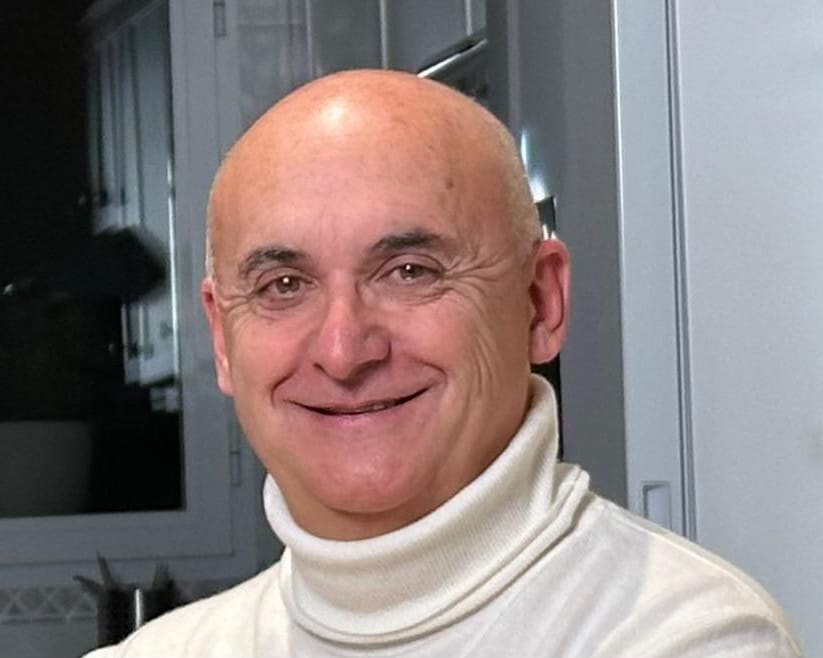
Xavier Melo博士
创始董事
Icloby基金会