
回顾 An Encounter with Death: A Comparative Thematic and Content Analysis of Naturalistic DMT Experiences and the Near-Death Experience, by Michael Pascal et al.
Experiences induced by psychedelic substances—most commonly ayahuasca (DMT) or psilocybin—have often been compared to Near-Death Experiences (濒死体验) from a naturalistic perspective. According to this view, such phenomena could be explained by neurobiological and biochemical processes occurring in the brain
The widely used Greyson Scale evaluates whether a person has had an NDE by scoring 16 项目. A total score of seven or more is considered indicative of a Near-Death Experience.
Although the Greyson Scale was not designed to distinguish between different types of unusual experiences, similarities between NDE narratives and reports from individuals under the effects of psychedelic substances have long been noted. Common elements include perceptions of other realms of reality, tunnel-like structures, distortions of time and space, and encounters with conscious entities.
The study by Pascal and colleagues goes beyond previous research by examining not only the similarities but also the differences between NDEs and psychedelic experiences.
The methodology involved comparing 36 descriptions of psychedelic experiences with 34 NDE accounts drawn from the COMA study group.
The results, as presented in the article,
indicate that canonical NDE themes identified in DMT experiences included translocation, bright light(s), a sense of dying, the void, out-of-body sensations, tunnel-like structures, encounters with light-like beings, deceased relatives, life review–like experiences, and heightened empathy. Approximately 95% of participants reported at least one of these elements. Twelve less typical NDE themes were also identified.
然而, five classical NDE features were completely absent in DMT experiences. At the same time, DMT reports included a broader range of experiential characteristics not observed in NDEs.
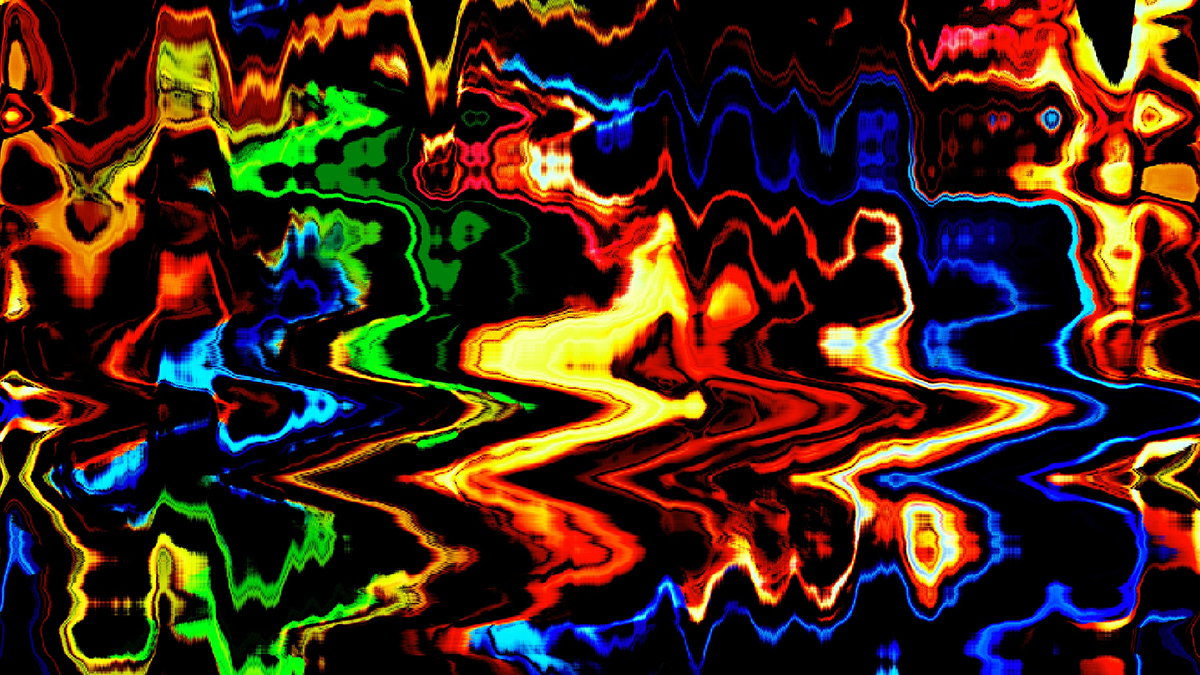
While DMT appears to share a basic phenomenological structure with NDEs, differences were found in the prevalence and organization of features. Notably, DMT experiences did not follow a recognizable linear sequence of themes. Overall, DMT experiences were qualitatively distinct, often described as more elaborate and stereotyped, with kaleidoscopic imagery, extraterrestrial or transcultural elements, fluctuating perceptions, and overwhelming sensory content.
The authors conclude that, although certain experiential foundations may overlap, NDEs and psychedelic-induced experiences can be clearly distinguished. These findings challenge naturalistic explanations of NDEs based solely on the hypothetical release of endogenous psychoactive substances.
Additional motifs observed in psychedelic experiences but less typical of NDEs included birth imagery, skeletal or death-related imagery, auditory phenomena at onset, perceptions of an etheric body, encounters with deceased partners, and psychopomp-like figures. Conversely, core NDE elements such as the light at the end of the tunnel, structured out-of-body experiences, dramatized returns, 与死者相遇, and life reviews were largely absent or minimal in DMT reports. Although both types of experiences shared fundamental themes such as dying, light, and the void, these elements alone did not account for the broader qualitative differences between them.
»scar llorens i garcia