
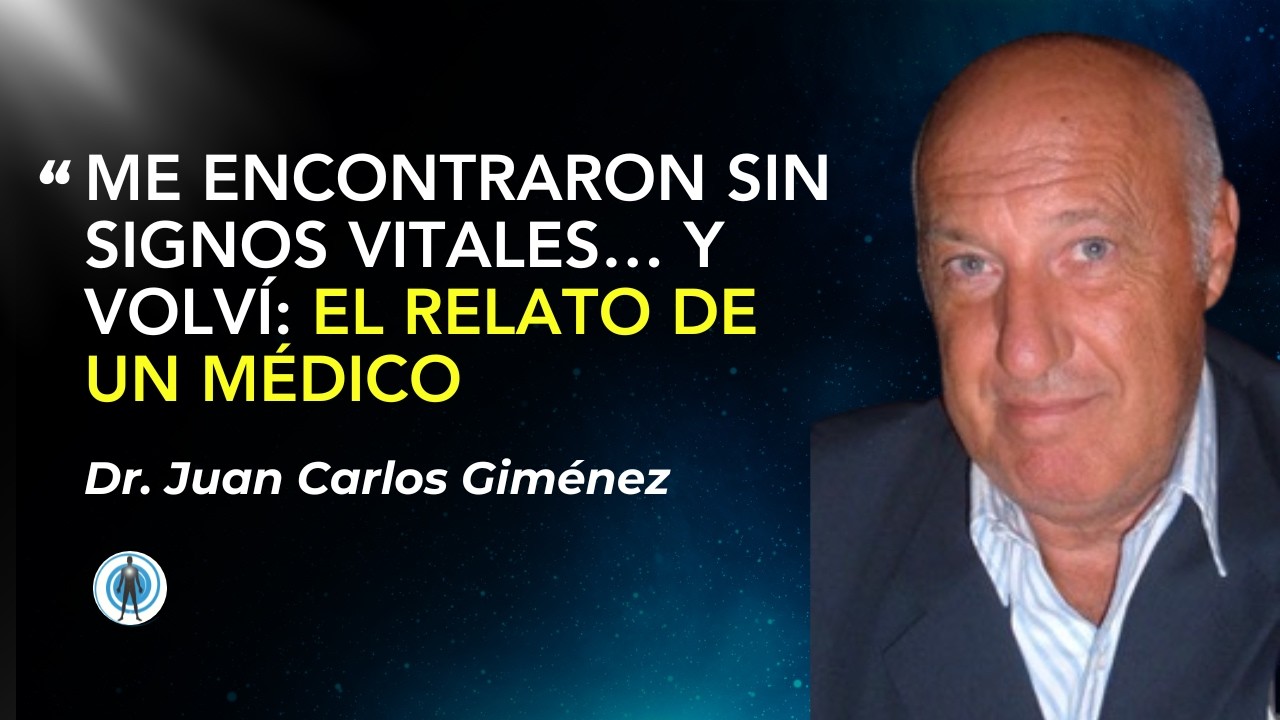
If the absence of vital signs is the unequivocal indication that life has ended, where does one go when they later return? This is one of the questions Dr. Giménez invites us to reflect upon in this interview.
In his experience, he describes going to a place where neither space nor time existed, and where consciousness returned to a state without identity. The anguish he felt upon returning—without memory of what had occurred—is something he has never forgotten.
The value of the present moment, detachment from material things, and the importance of no longer postponing dreams are among the insights that emerged following his near-death experience. 同样地, gratitude as a way of life, appreciation for the small details of everyday living, and the awareness that medicine requires a far more human-centered approach are central lessons he emphasizes.
博士. Giménez is the author of the book Renacer: muerte súbita en primera persona.
观看完整的采访