إن الدليل على أن الوعي يتم توليده في الدماغ هو موضع تساؤل متزايد. إن حالات الأشخاص الذين يعيشون بدون جزء من دماغهم وما زالوا محتفظين بالوعي تثير تساؤلات حول مدى صحة النماذج المادية التي تسعى إلى تفسير هذه الظاهرة.
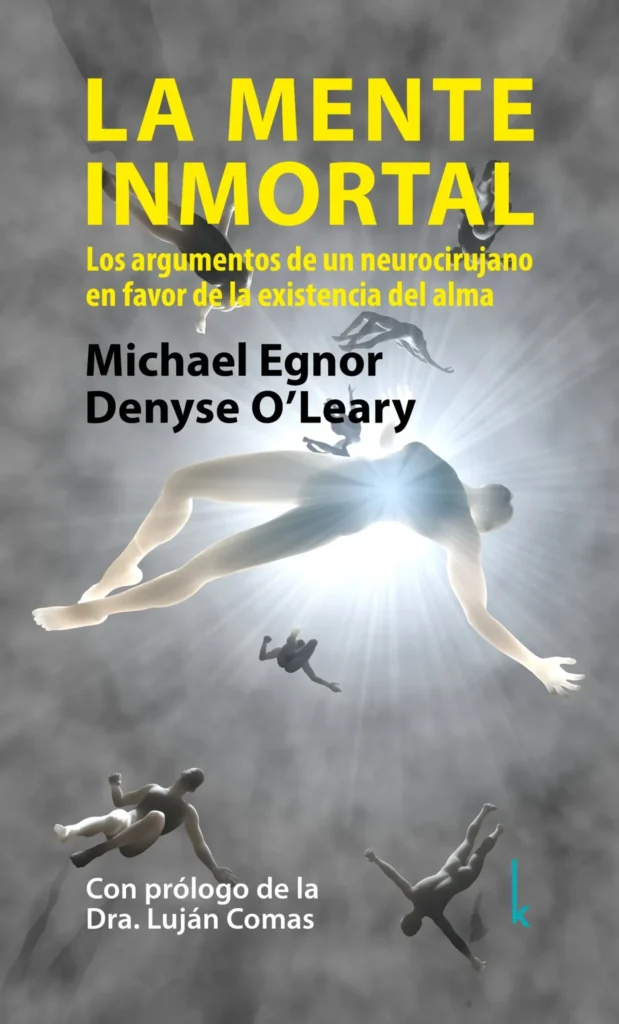
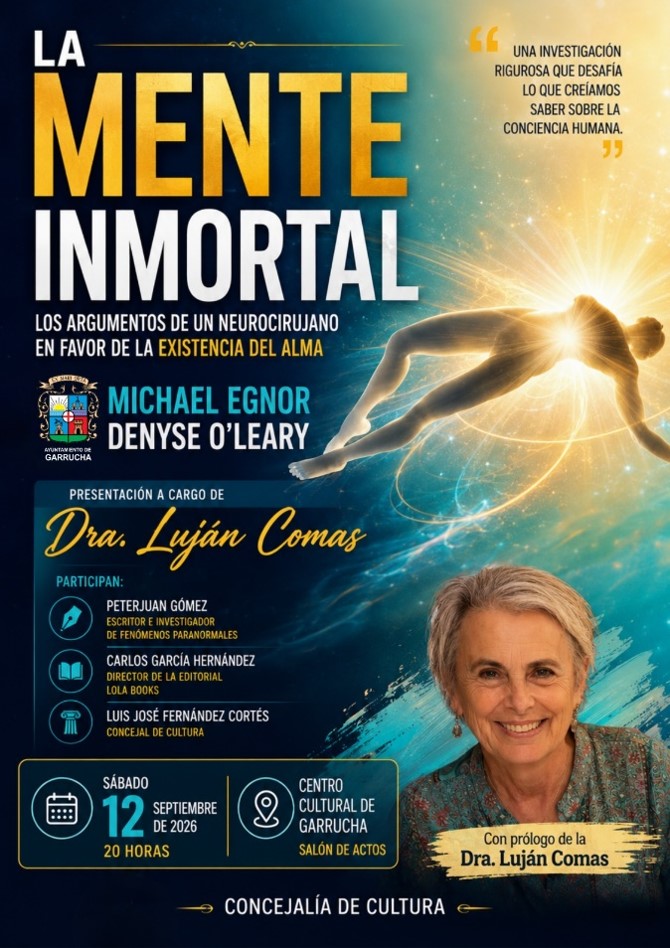
La Fundación ICLOBY, representada por su presidenta, la Dra. Luján Comas, estuvo a cargo de la presentación en España del libro La mente inmortal, del Dr. Michael Egnor y la periodista Denyse O’Leary, una obra que la Dra. Comas también tuvo la oportunidad de prologar.
تجارب الاقتراب من الموت (NDEs) خلال مرحلة الطفولة ليست شائعة جدًا. في الحالة التي نعرضها في هذا المنشور، لم تعيش سوزانا رومان تجربة واحدة، بل تجربتين من هذا النوع.
وعلى نحو متزايد، يجد العلم قيودًا في تفسير ظواهر مثل الوعي وعلاقته بالدماغ، من خلال رؤية مادية، والمواقف التي يتم تجربتها حصريًا في تجربة الاقتراب من الموت.
In this preliminary study, functional magnetic resonance imaging (fMRI) becomes a key tool for exploring the differences between Near-Death Experiences (NDEs) and hallucinations, leading to clear and compelling conclusions on the subject.
Filomena firmly believes that death is not the end. This conviction comes from her experience accompanying patients during their final moments of life and from what, through those encounters, they have allowed her to understand..
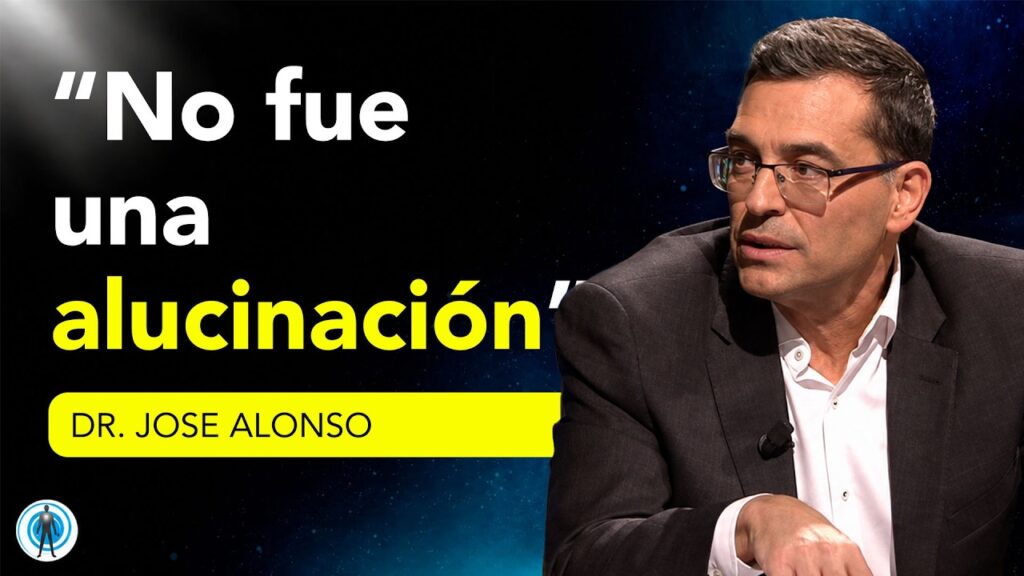
Scientific research led by Dr. José Alonso Ruiz and recently published in the prestigious journal Resuscitation Plusdemonstrates, beyond doubt, that Near-Death Experiences (NDEs) are neither hallucinations nor products of the imagination. In addition, the study provides insights into the mental condition of those who have experienced them.
La Dra. Lujan Comas y el Dr. Xavier Melo, presidenta y fundador de la Fundación Icloby, conversan en el podcast de Perla Acorn sobre su nuevo libro Vida más allá de la vida y comparten algunos de los testimonios de experiencias cercanas a la muerte (ECM) más impactantes que han recopilado en sus años de investigación.
The mysteries surrounding the brain, consciousness, and the relationship between them have yet to be fully unraveled. However, throughout this process, the materialist approach has increasingly proven insufficient to explain them.
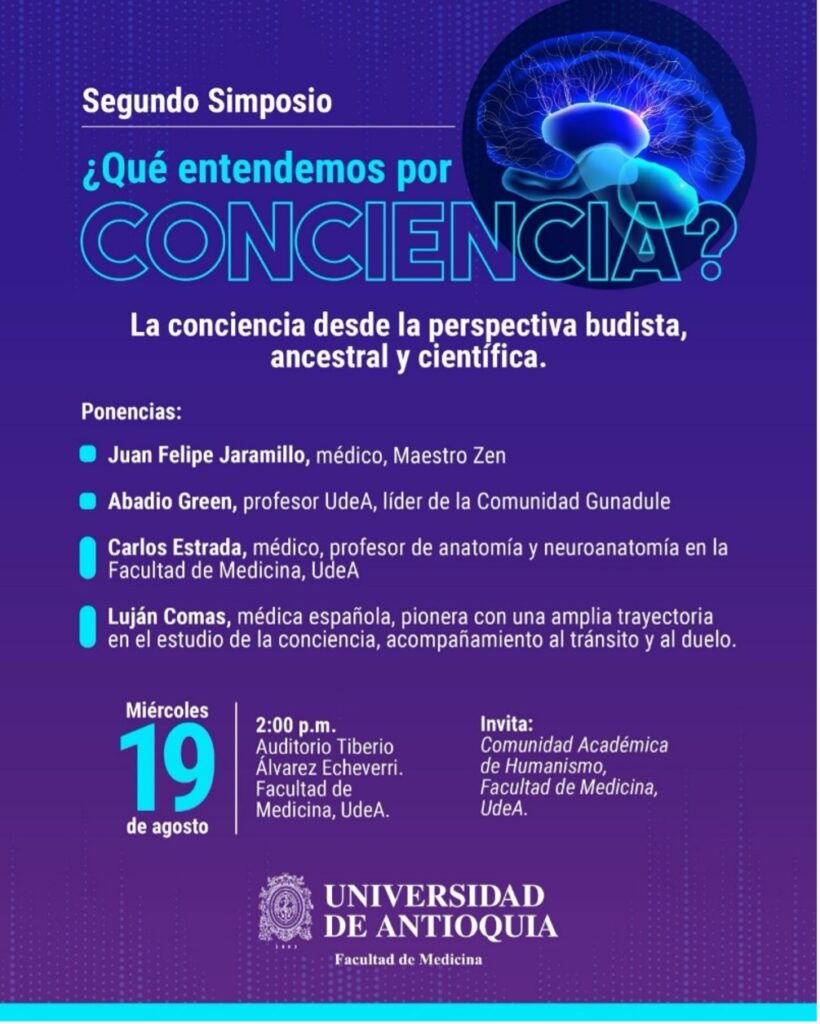
For centuries, philosophy, spirituality, and science have explored consciousness. Is it possible for Buddhist, ancestral, and scientific perspectives on consciousness to engage in dialogue with one another?