In this preliminary study, functional magnetic resonance imaging (fMRI) becomes a key tool for exploring the differences between Near-Death Experiences (NDEs) and hallucinations, leading to clear and compelling conclusions on the subject.
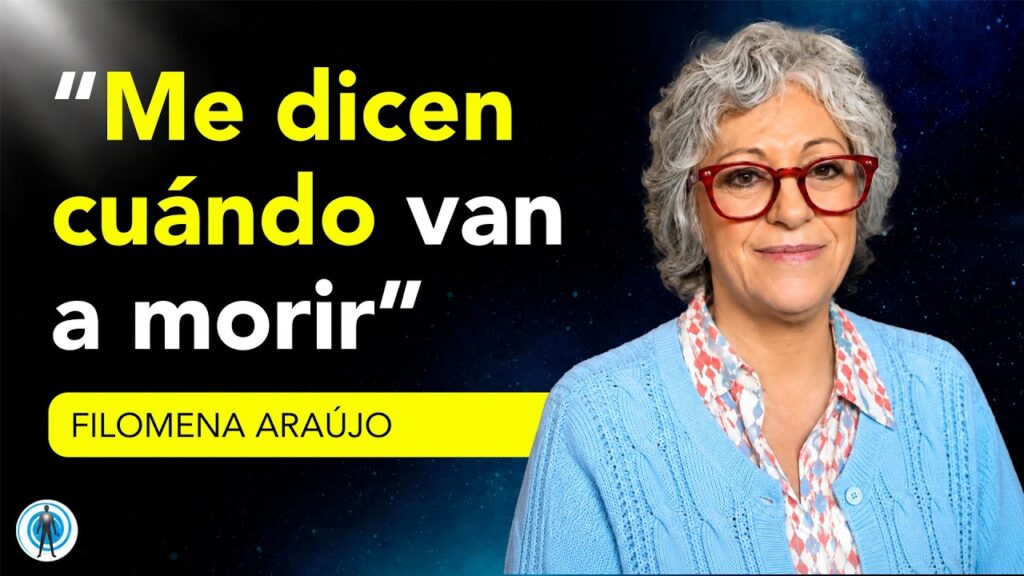
Filomena firmly believes that death is not the end. This conviction comes from her experience accompanying patients during their final moments of life and from what, through those encounters, they have allowed her to understand..
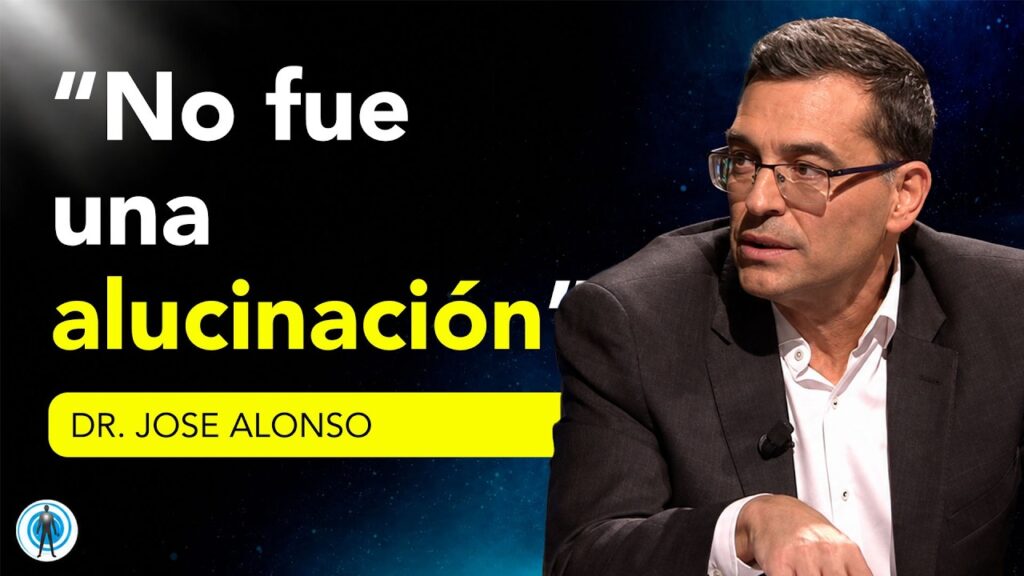
Scientific research led by Dr. José Alonso Ruiz and recently published in the prestigious journal Resuscitation Plusdemonstrates, beyond doubt, that Near-Death Experiences (NDEs) are neither hallucinations nor products of the imagination. In addition, the study provides insights into the mental condition of those who have experienced them.
Dr. Lujan Comas and Dr.. Xavier Melo, president and founder of the Icloby Foundation, They talk on Perla Acorn's podcast about her new book Life Beyond Life and share some of the testimonies of near-death experiences (NDE) most impressive that they have compiled in their years of research.
The mysteries surrounding the brain, consciousness, and the relationship between them have yet to be fully unraveled. However, throughout this process, the materialist approach has increasingly proven insufficient to explain them.
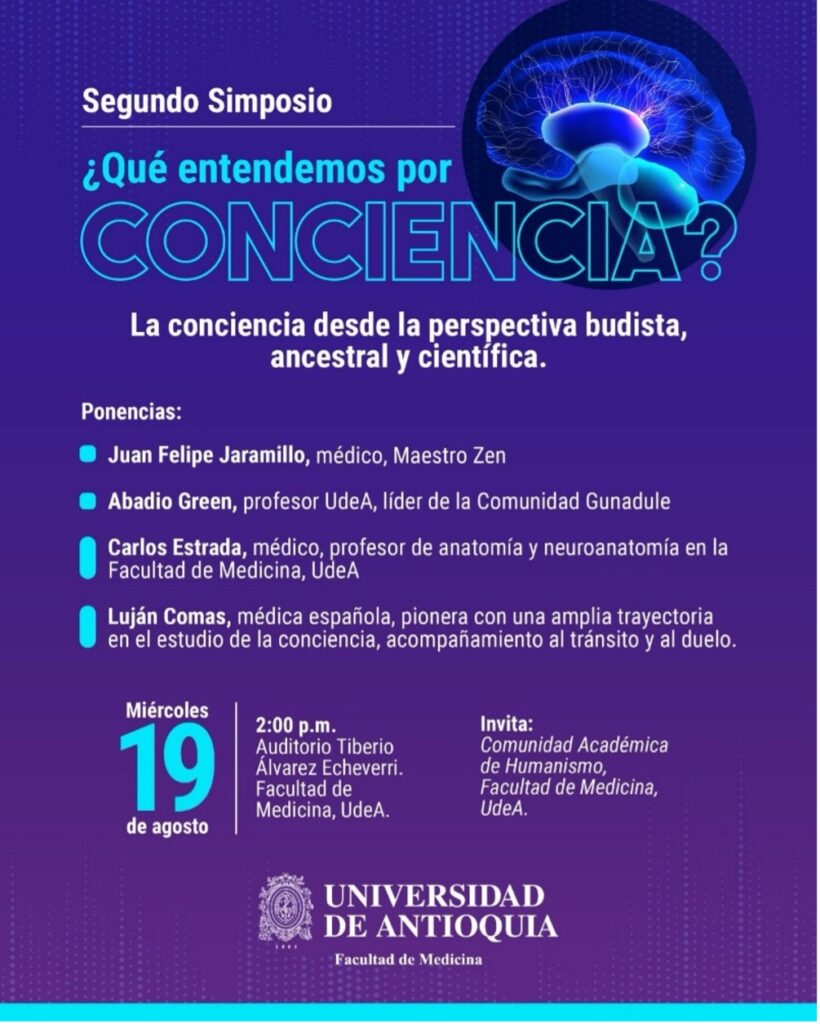
For centuries, philosophy, spirituality, and science have explored consciousness. Is it possible for Buddhist, ancestral, and scientific perspectives on consciousness to engage in dialogue with one another?
Trances, experiences in other dimensions where time seems not to exist, communication without words, and experiences accompanied by feelings of peace and infinite love are signs that what surrounds us may extend far beyond what we are able to observe, measure, and quantify.
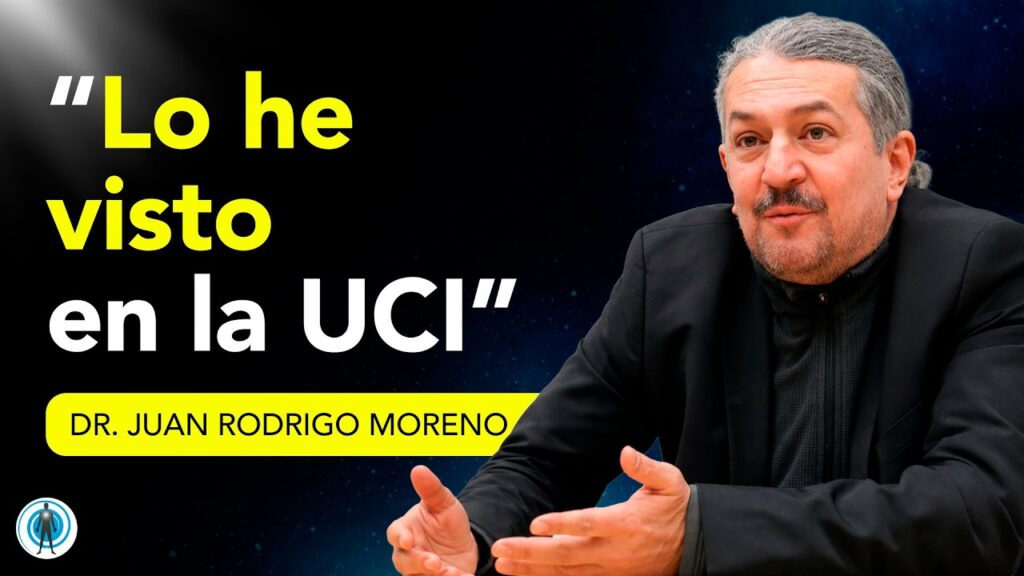
In this interview, Dr. Juan Rodrigo Moreno shares a perspective on death shaped by his experience as an intensive care physician and by various personal experiences. His testimony invites us to reconsider the way medicine—and those who work within its different fields—relates to the end of life.
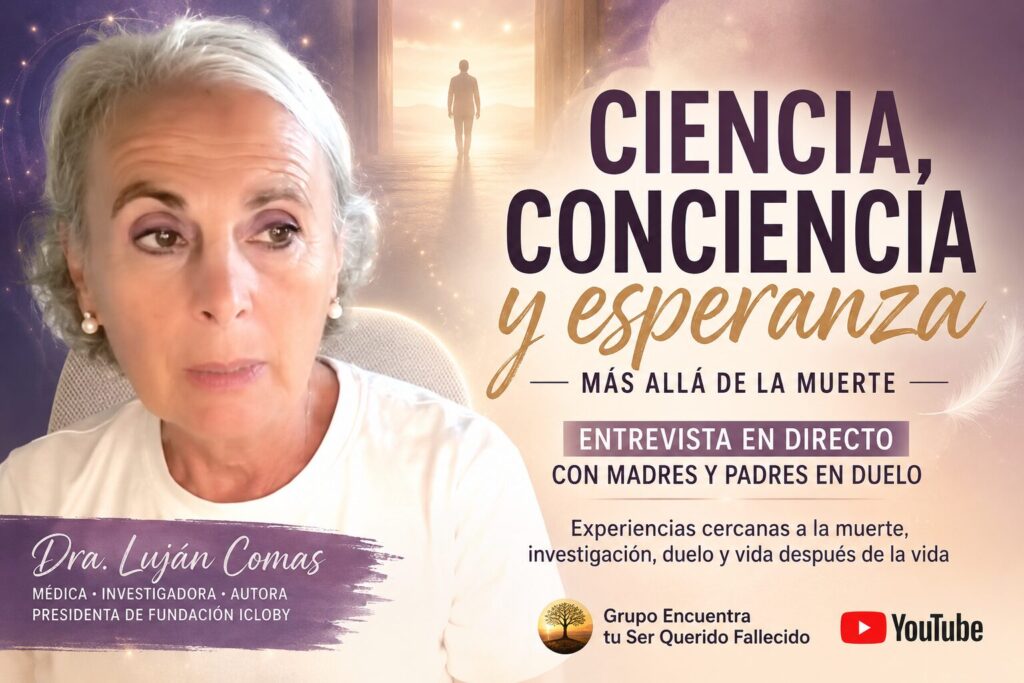
In an online session organized by the group Find your Deceased Loved One, Dra. Luján Comas shared a listening space, closeness and reflection, answering your questions from clinical experience, scientific research and profound human support.
The phenomena associated with so-called Parapsychology, including those related to Mediumship, continue to challenge Science, with results that persist even under highly rigorous scientific research protocols and strict experimental controls.