
Javier Aranguren is a Doctor of Philosophy, writer, and professor. He has dedicated much of his life to education. At the age of 42, after 14 years as an educator, Dr. Aranguren decided to spend some time working in Nairobi. His experience in Africa led him to establish the Muito perto project, aimed at supporting the education of children and adolescents in Kenya.
After spending 18 months there, he returned to Spain and accepted a job he had long desired. However, shortly after, he was diagnosed with colon cancer, forcing him to resign as his health deteriorated.
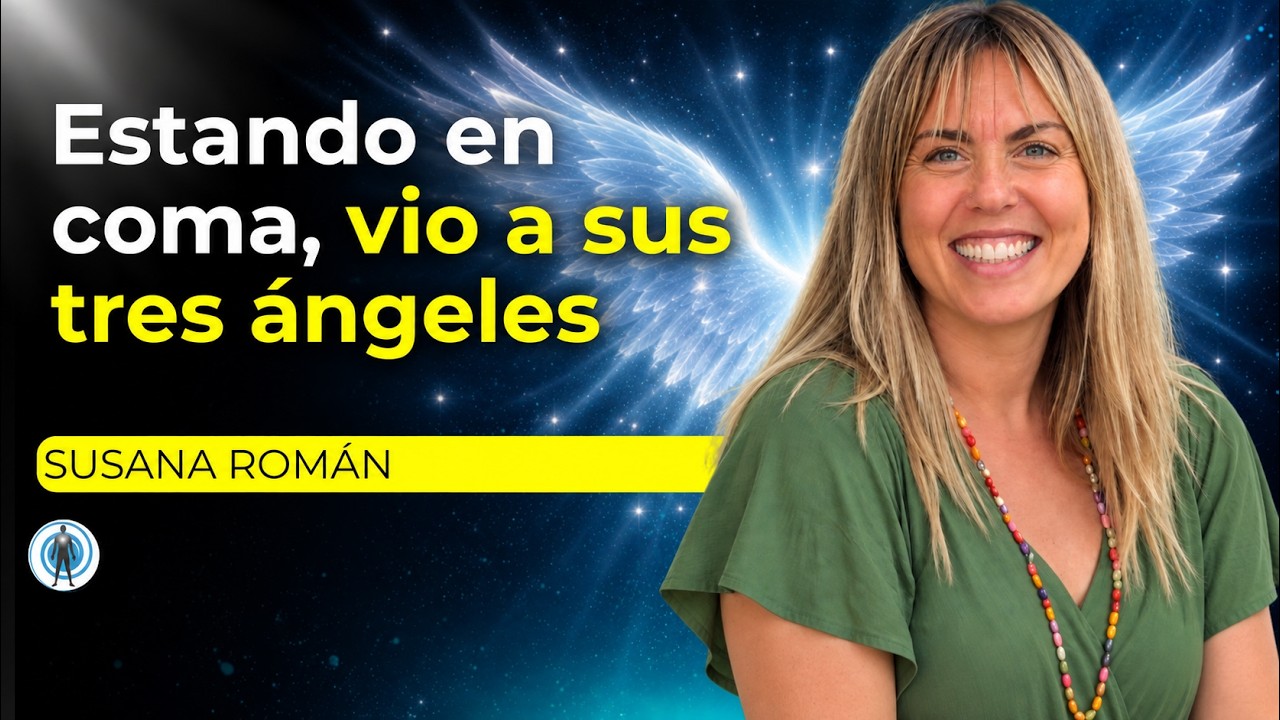
On March 13, 2020, he was intubated and placed in an induced coma. As one of the first COVID-19 patients, much of his treatment involved a “trial-and-error” approach. Upon awakening in early April and coming out of the coma, Aranguren vividly recalled two distinct experiences. The first was a deep, personal reflection on his life, revealing reasons to return, repair, and live differently. The second, described as a journey through various hallucinations, led him to feelings of anguish and distress.
Learning to be patient, embracing serenity, accepting what cannot be changed, and strengthening his religious beliefs are the key lessons he took from this period in his life.
Entrevista completa aqui