
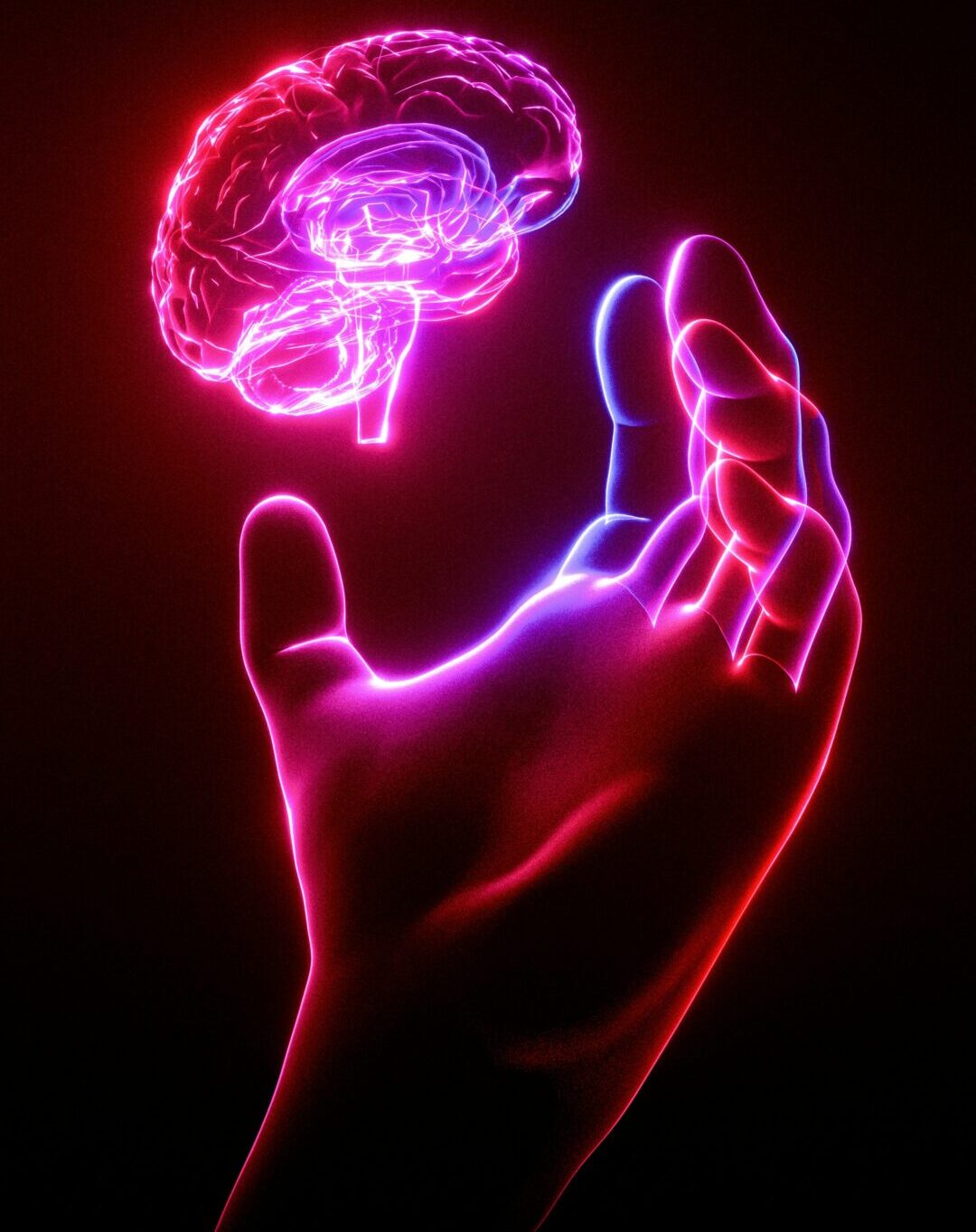
What if the brain does not create consciousness? Science laDaily
The “Astonishing Hypothesis” was proposed toward the end of the last century by Francis Crick, who famously co-discovered the structure of DNA, and a young Christof Koch. This hypothesis represented the culmination of the philosophical naturalism that began with the Enlightenment and was further reinforced by the life sciences, ultimately going so far as to reduce the mind to brain states, interacting neurons, cells—and, ultimately, atoms that combine to constitute everything that is real, including our most intimate sense of self. Your thoughts, memories, emoções… all are brain states.
Although Koch was once at the forefront of this naturalistic philosophy that reduces consciousness to neuronal states, by the beginning of the 21st century he had already shown some sympathy toward panpsychism—the idea that, in some sense, consciousness is present throughout the universe. No entanto, it was not until the fifteenth edition of “Behind and Beyond the Brain” that he clearly expressed his views regarding the limitations of materialism.
In Koch’s words, neuroscience has yet to explain the “hard problem” of consciousness. This term refers to the difficulty of explaining how the brain’s electrical and chemical activity gives rise to subjective experience, including sensations, emoções, pensamentos, and the personal sense of being alive. A brain scan may show what happens when someone sees the color red, por exemplo, but it cannot reveal why seeing red produces a subjective experience at all.
Além disso, the neuroscientist supports considering alternatives to naturalism, including the aforementioned panpsychism, and suggests that consciousness, rather than being reducible to matter, should be regarded as a fundamental reality. Phenomena such as near-death experiences, mystical experiences, and terminal lucidity—which may occur as a patient approaches death—could, from this perspective, point toward panpsychism or even idealism, according to which consciousness would constitute the fundamental reality.
Óscar Llorens e Garcia