
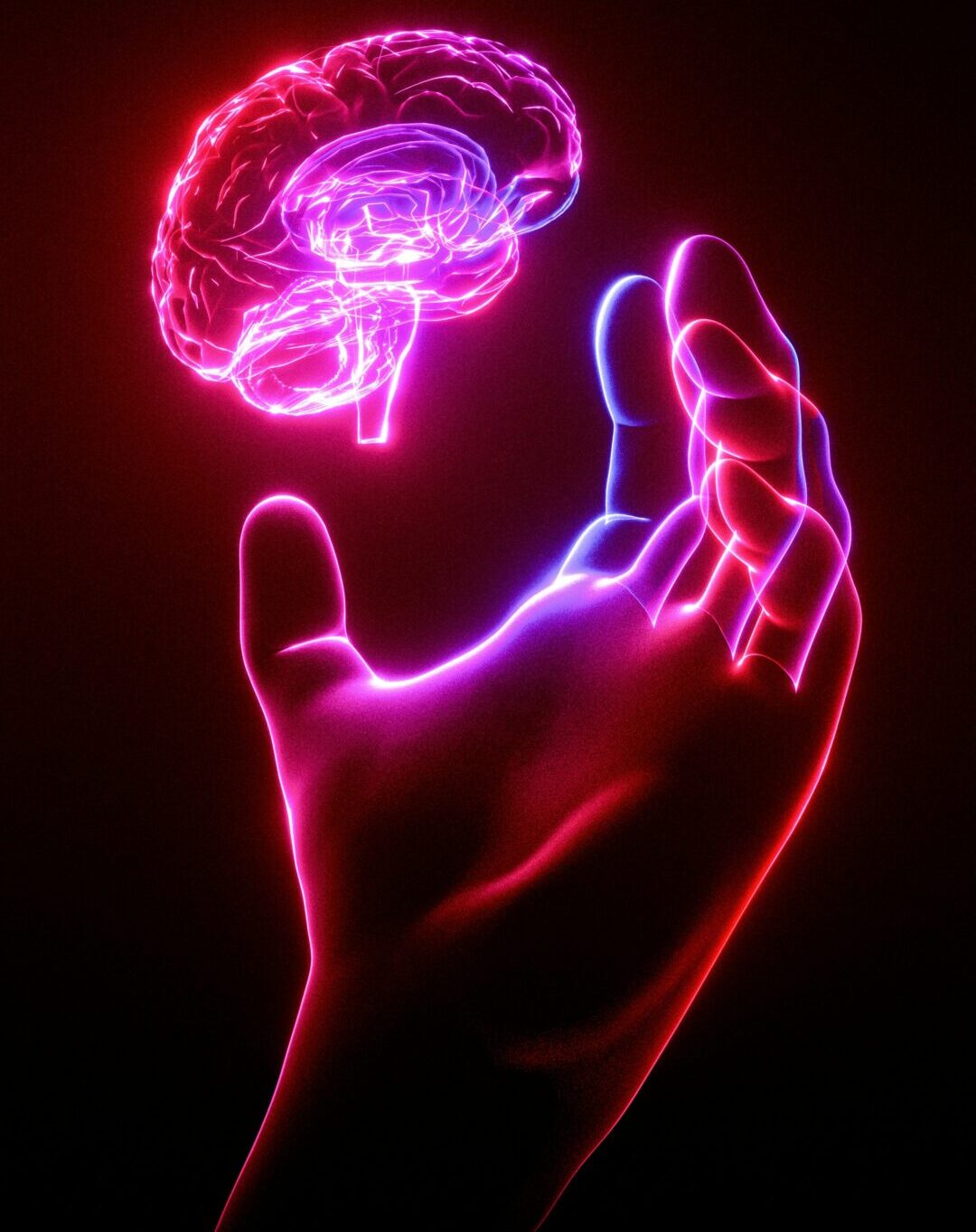
Was ist, wenn das Gehirn kein Bewusstsein schafft?? Wissenschaft laDaily
Die „Erstaunliche Hypothese“ wurde gegen Ende des letzten Jahrhunderts von Francis Crick vorgeschlagen, der bekanntermaßen die Struktur der DNA mitentdeckte, und ein junger Christof Koch. Diese Hypothese stellte den Höhepunkt des philosophischen Naturalismus dar, der mit der Aufklärung begann und durch die Lebenswissenschaften weiter verstärkt wurde, Letztendlich geht es so weit, den Geist auf Gehirnzustände zu reduzieren, interagierende Neuronen, Zellen – und, letztlich, Atome, die zusammen alles bilden, was real ist, einschließlich unseres intimsten Selbstgefühls. Deine Gedanken, Erinnerungen, Emotionen… alles sind Gehirnzustände.
Obwohl Koch einst an der Spitze dieser naturalistischen Philosophie stand, die das Bewusstsein auf neuronale Zustände reduziert, Zu Beginn des 21. Jahrhunderts hatte er bereits eine gewisse Sympathie für den Panpsychismus gezeigt – die Idee, dass, in gewissem Sinne, Bewusstsein ist im gesamten Universum vorhanden. Jedoch, Erst in der fünfzehnten Auflage von „Behind and Beyond the Brain“ brachte er seine Ansichten zu den Grenzen des Materialismus klar zum Ausdruck.
In Kochs Worten, Die Neurowissenschaften müssen das „schwierige Problem“ des Bewusstseins noch erklären. Dieser Begriff bezieht sich auf die Schwierigkeit zu erklären, wie die elektrische und chemische Aktivität des Gehirns zu subjektiven Erfahrungen führt, einschließlich Empfindungen, Emotionen, Gedanken, und das persönliche Gefühl, lebendig zu sein. Ein Gehirnscan könnte zeigen, was passiert, wenn jemand die Farbe Rot sieht, Zum Beispiel, Aber es kann nicht erklären, warum das Sehen von Rot überhaupt ein subjektives Erlebnis hervorruft.
Außerdem, Der Neurowissenschaftler plädiert dafür, über Alternativen zum Naturalismus nachzudenken, einschließlich des oben erwähnten Panpsychismus, und legt dieses Bewusstsein nahe, anstatt auf Materie reduzierbar zu sein, sollte als grundlegende Realität betrachtet werden. Phänomene wie Nahtoderlebnisse, mystische Erlebnisse, und terminale Klarheit – die auftreten kann, wenn sich ein Patient dem Tod nähert – könnte, aus dieser Perspektive, deuten auf Panpsychismus oder sogar Idealismus hin, wonach das Bewusstsein die grundlegende Realität darstellen würde.
ÒScar llorens i garcia