
如果大脑不是创造意识的那个

如果大脑不产生意识怎么办?

What if the brain does not create consciousness? Science laDaily

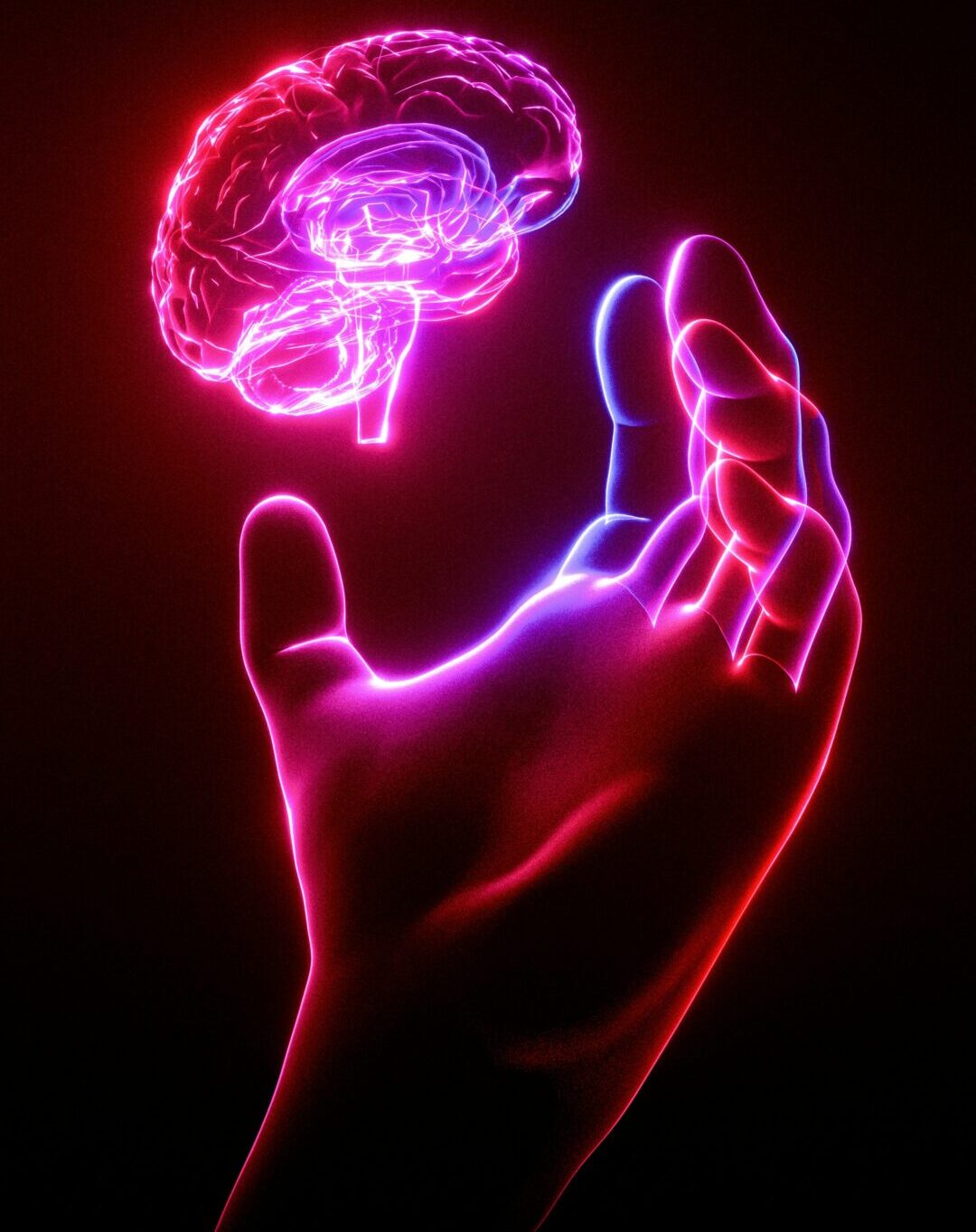
The “Astonishing Hypothesis” was proposed toward the end of the last century by Francis Crick, who famously co-discovered the structure of DNA, and a young Christof Koch. This hypothesis represented the culmination of the philosophical naturalism that began with the Enlightenment and was further reinforced by the life sciences, ultimately going so far as to reduce the mind to brain states, interacting neurons, cells—and, 最终, atoms that combine to constitute everything that is real, including our most intimate sense of self. Your thoughts, memories, emotionsall are brain states.

Although Koch was once at the forefront of this naturalistic philosophy that reduces consciousness to neuronal states, by the beginning of the 21st century he had already shown some sympathy toward panpsychism—the idea that, 在某种意义上, consciousness is present throughout the universe. 然而, it was not until the fifteenth edition of “Behind and Beyond the Brain” that he clearly expressed his views regarding the limitations of materialism.

In Koch’s words, neuroscience has yet to explain the “hard problem” of consciousness. This term refers to the difficulty of explaining how the brain’s electrical and chemical activity gives rise to subjective experience, including sensations, emotions, 想法, and the personal sense of being alive. A brain scan may show what happens when someone sees the color red, 例如, but it cannot reveal why seeing red produces a subjective experience at all.

此外, the neuroscientist supports considering alternatives to naturalism, including the aforementioned panpsychism, and suggests that consciousness, rather than being reducible to matter, should be regarded as a fundamental reality. Phenomena such as near-death experiences, mystical experiences, and terminal lucidity—which may occur as a patient approaches death—could, from this perspective, point toward panpsychism or even idealism, according to which consciousness would constitute the fundamental reality.

»scar llorens i garcia

分享

在其他新闻中

我们理解的意识是什么

我们对意识的理解是什么?

几个世纪以来, 哲学, 灵性, 科学已经探索了意识. 佛系可以吗, 祖传的, 和关于意识的科学观点进行相互对话?
阅读更多 →
伊芙琳·埃米格-尼斯

我还没死: 这就是我妈妈来告诉我的

恍惚, 时间似乎不存在的其他维度的体验, 无需言语的沟通, 伴随着平静和无限爱的感受的经历表明我们周围的事物可能远远超出我们能够观察到的范围, 措施, 并量化.
阅读更多 →
胡安·罗德里戈·莫雷诺博士

死亡不是结束: 我在 ICU 里见过

在这次采访中, 博士. 胡安·罗德里戈·莫雷诺分享了他作为重症监护医生的经历和各种个人经历所塑造的对死亡的看法. 他的证词邀请我们重新考虑医学以及那些在不同领域工作的人与生命终结的关系.
阅读更多 →
滚动到顶部