
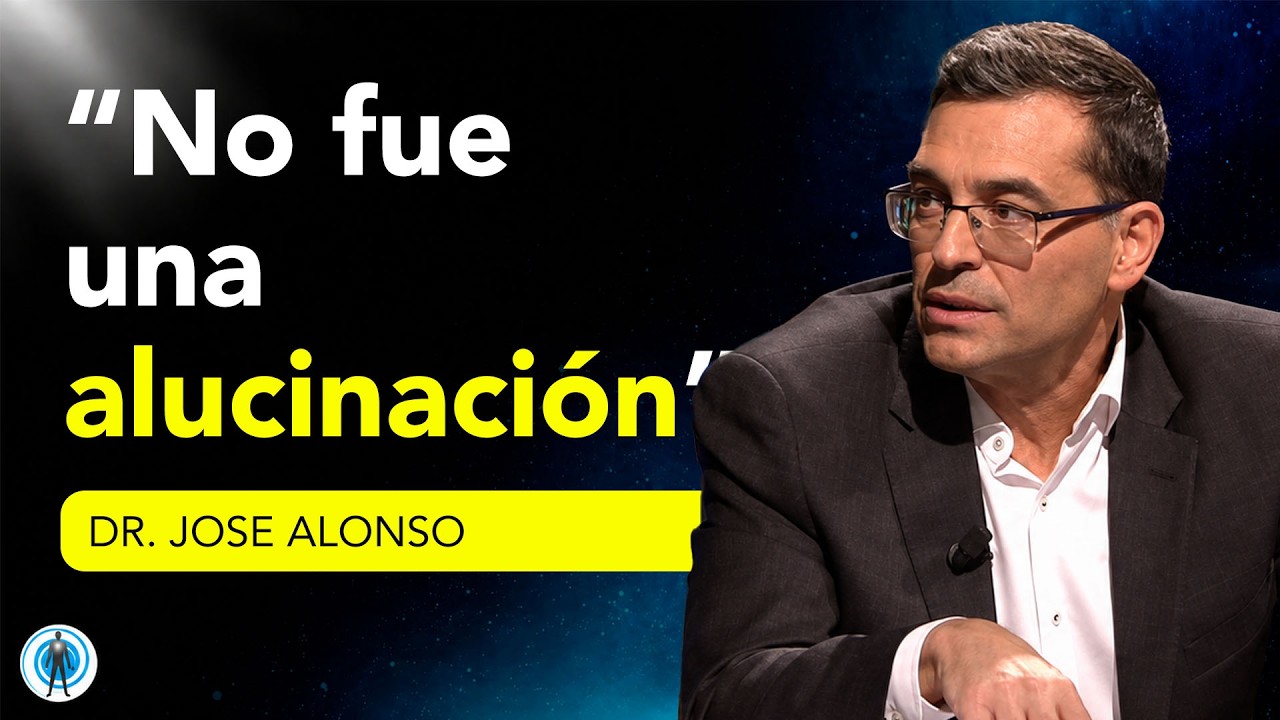
Wenn Tod und Leben aus wissenschaftlicher Sicht untersucht werden, Die Beweise müssen präzise sein, nachweisbar, und im Einklang mit den Methoden und Werkzeugen, die der Wissenschaft für ihre Analyse zur Verfügung stehen. Nur so ist es möglich, Schlussfolgerungen zu formulieren, die in verschiedenen wissenschaftlichen Umgebungen unterstützt und rigoros diskutiert werden können. In diesem Zusammenhang, die Studie von Dr. Alonso Ruiz über Nahtoderfahrungen (NTEs) ist besonders relevant, denn seine Ergebnisse liefern Beweise, die helfen, diese Erfahrungen anhand wissenschaftlich bewertbarer Kriterien von Halluzinationen zu unterscheiden.
DR. José Alonso Ruiz hat eine umfangreiche Karriere der Erforschung des Menschen aus verschiedenen Wissensgebieten gewidmet. Er ist promovierter Mediziner, Qualifikationen in Paläopathologie, ist klinischer Psychologe, und hat einen Abschluss in Geographie und Geschichte. Er hat außerdem Kunstgeschichte und Philosophie studiert und ist für seine Arbeit in der Wissenschaftskommunikation weithin anerkannt. Ein solcher interdisziplinärer Hintergrund bietet eine breite, aber dennoch fundierte Perspektive auf komplexe Phänomene, die verschiedene Dimensionen menschlicher Erfahrung umfassen.
In diesem Interview mit Dr.. Lujan Comas, Präsident der ICLOBY Foundation, Alonso beschreibt die Umstände der gerade veröffentlichten wissenschaftlichen Studie und diskutiert deren Schlussfolgerungen, die helfen zu klären, was eine NTE ist – und was nicht – sowie den psychischen Zustand derjenigen, die sie erleben, ein Faktor von entscheidender Bedeutung für die Validierung der Ergebnisse seiner Forschung.
Seine abschließende Botschaft: Der Geist endet nicht im Gehirn.
Vollständiges Interview hier