
On November 28 and 29 in Málaga, Spain, a new gathering of experts was held to discuss life and death. The organizers aimed to create a conference focused on the theme of death, recognizing that many people feel fear surrounding it. This fear often stems from the widespread belief that death marks the end of life and everything that exists, even though this is not the case.
Through this conference, the organizers sought to spread the message that there is life beyond death, a reality made evident through Near-Death Experiences (NDEs) documented by scientists from various fields. The event offered attendees a broader perspective on death, reframing it not as an endpoint but as an integral part of life—one in which embracing life also means embracing death.
“Life as the Prelude to True Life” was the title of Dr. Luján Comas’ presentation during the conference. Her session was less a formal lecture and more a Q&A session led by the event coordinator, Spanish journalist Cristina Hernández. On this occasion, Dr. Xavier Melo, founder of the ICLOBY Foundation, joined Dr. Comas to share his testimony about his own NDE.
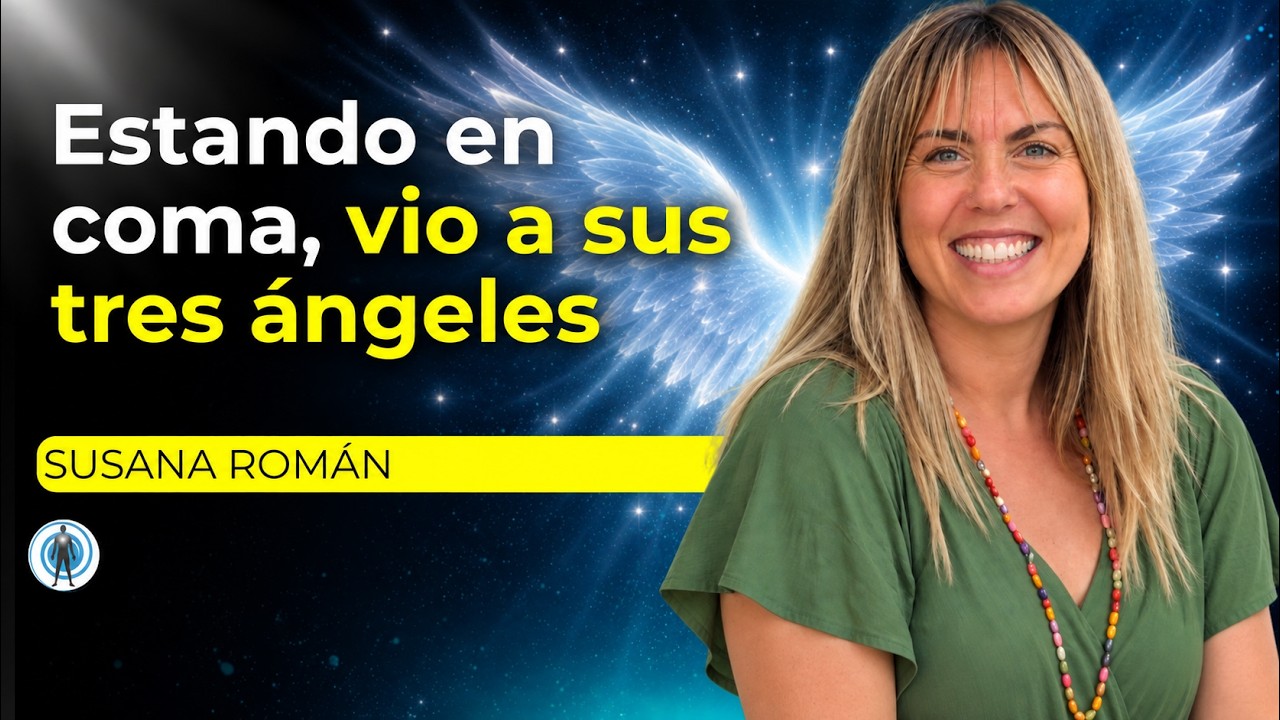
The full session featuring the contributions of both members of our leadership team can be found at the following link.