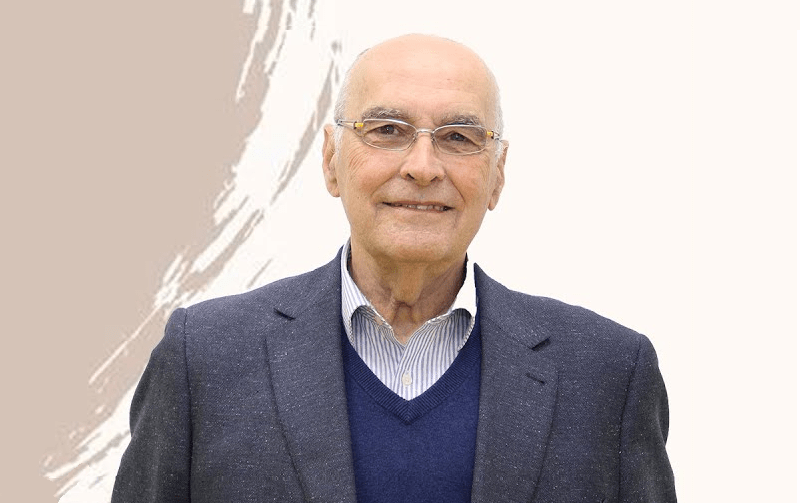
Dr. Enric Benito is a medical specialist in oncology and an honorary member of the Spanish Society of Palliative Care, where he coordinated the spirituality group from 2006 to 2014. Currently, he focuses on academic work and has been a pioneer in the field of palliative care.
Following a personal crisis, he transitioned from treating tumors to caring for people. Shifting away from oncology, he embraced palliative care, where he supports patients in all aspects of their journey, including spirituality, which he sees as the core of the transition and a vital complement to medical care. For him, the process is about guiding a person, not just managing an illness. That is why he compares accompanying someone in dying to embarking on a journey.
Dr. Benito believes that death does not truly exist. His decades of experience with patients have led him to view death as a transformative experience—a shift in consciousness rather than an end.
In this inspiring interview, we will gain deeper insight into the journey of dying, different models of end-of-life care, and expand our perspective through the wisdom of this expert.
.
Full interview here