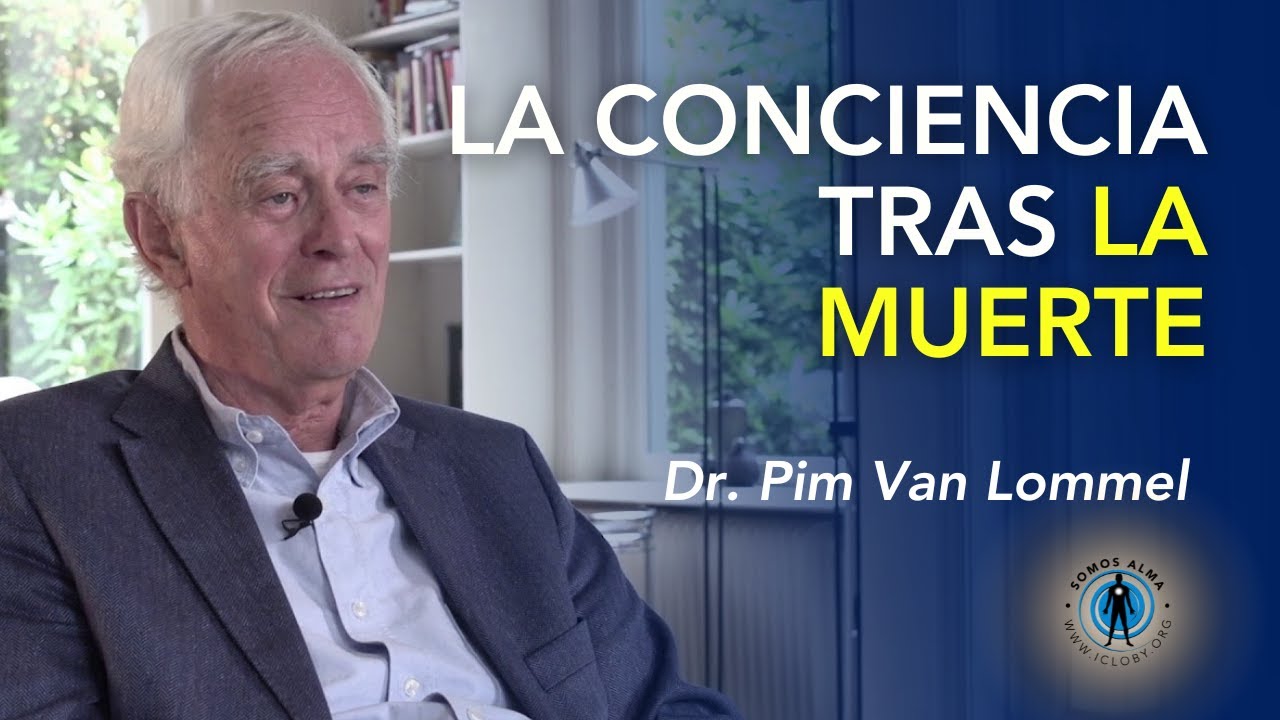
Dr. Pim van Lommel is a widely recognized authority in the scientific community when it comes to near-death experiences (NDEs) due to his leadership in a prospective study on this phenomenon. This research was designed with pre-established conditions ready before patients experienced cardiac arrest. His findings, published in the prestigious medical journal The Lancet in 2001, raised profound questions about the nature of consciousness and its relationship to brain function.
In this interview, conducted by the Essential Foundation and shared with you today, this renowned scientist discusses his professional experience, personal insights, and research. We encourage you to view these accounts as an invitation to integrate patients’ experiences with “scientific curiosity.” In doing so, science can offer new explanations for phenomena that might otherwise be neglected or forgotten.
An open mind and the willingness to question, investigate, and foster discussion on patients’ stories and experiences are essential elements for expanding scientific understanding of phenomena that today go unexamined due to traditional standards.
You can watch the interview here. It can be translated into Spanish using the “CC” button.