Exchanging information about the process of dying from a more holistic perspective is becoming increasingly important. There is a growing need to educate physicians and reform medical curricula so they can understand and accompany patients with an approach that includes a spiritual dimension, as well as the acceptance of so-called “paranormal” phenomena often experienced by those nearing death. This broader perspective also opens the way for more meaningful conversations with families during one of the most important stages of life.
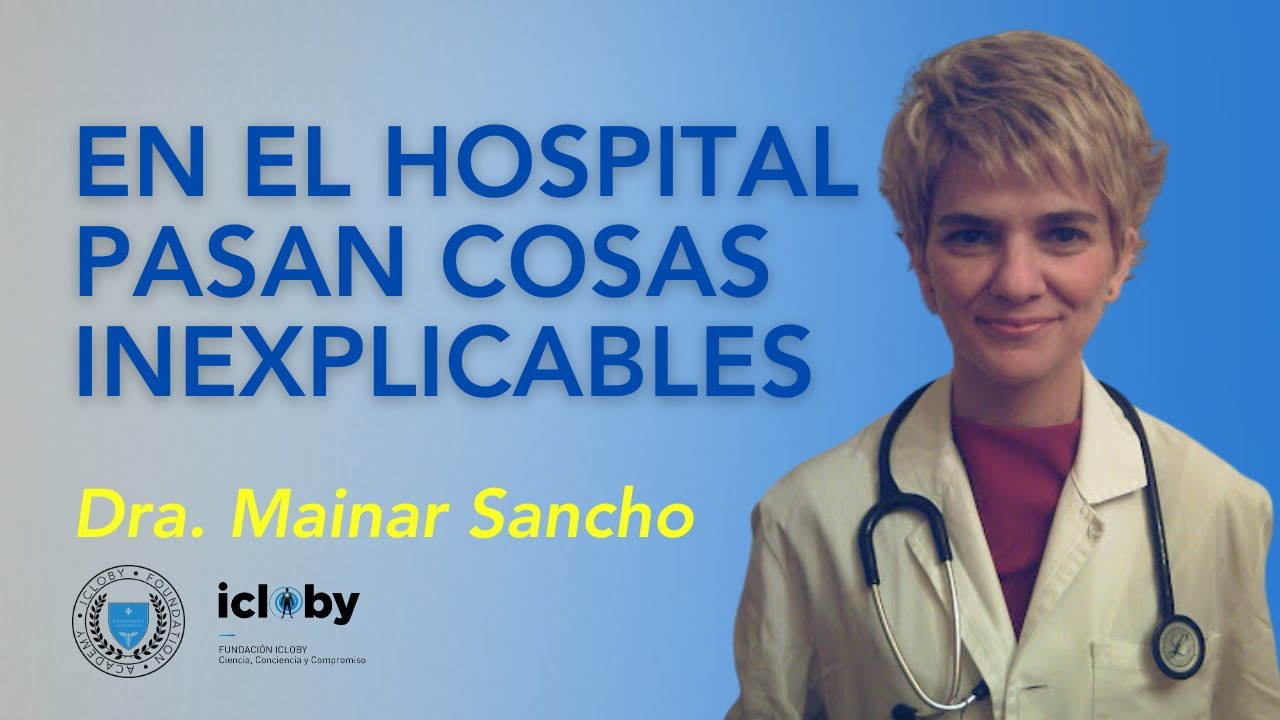
In this conversation with Dr. Rosana Mainar—specialist in Family and Community Medicine, Geriatrics and Gerontology, Palliative Care, Sophrology, and Integrative and Humanistic Medicine, among others—the need for a more comprehensive vision of death and its place in medical education becomes evident.
Currently, much of this knowledge is learned directly from patients, who often become teachers, and sometimes from nursing staff, who show a greater sensitivity to what unfolds as someone approaches death. These are experiences and phenomena that science has not yet fully explained, but which persist as part of this essential phase of life.
Watch the full interview