The Festival of Consciousness (FoC), held annually in Barcelona during the summer, organizes various smaller conferences and gatherings throughout the year, both before and after its main event. These meetings aim to keep people engaged in the ongoing transformation that life represents. As the organizers put it, “Life is in constant evolution, and human beings are part of it.”
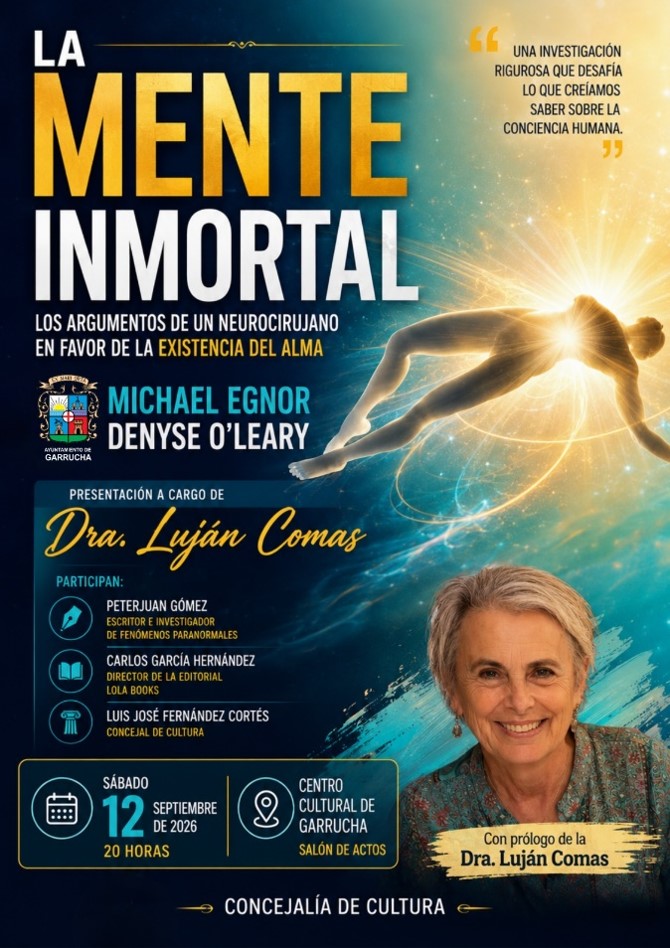
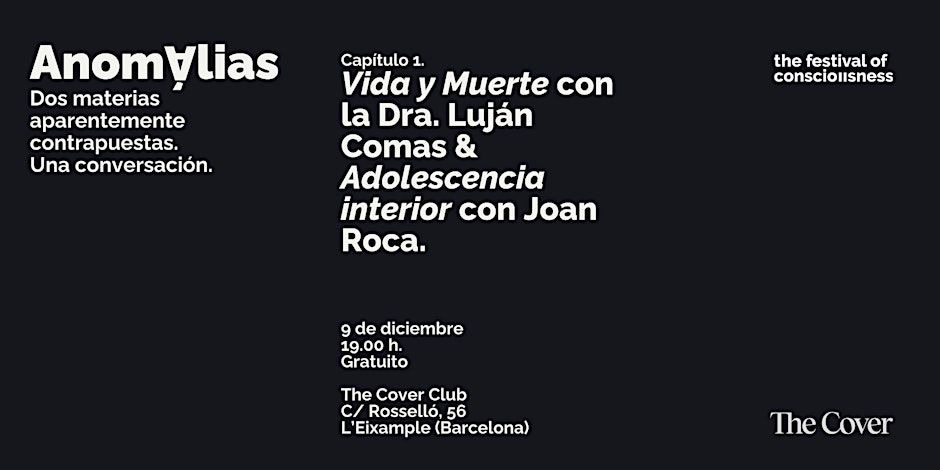
As part of this initiative, on December 9, the organization brought together a group of young people and teenagers with Dr. Luján Comas to discuss Life and Death. Attendance was entirely voluntary, as the event was free of charge.
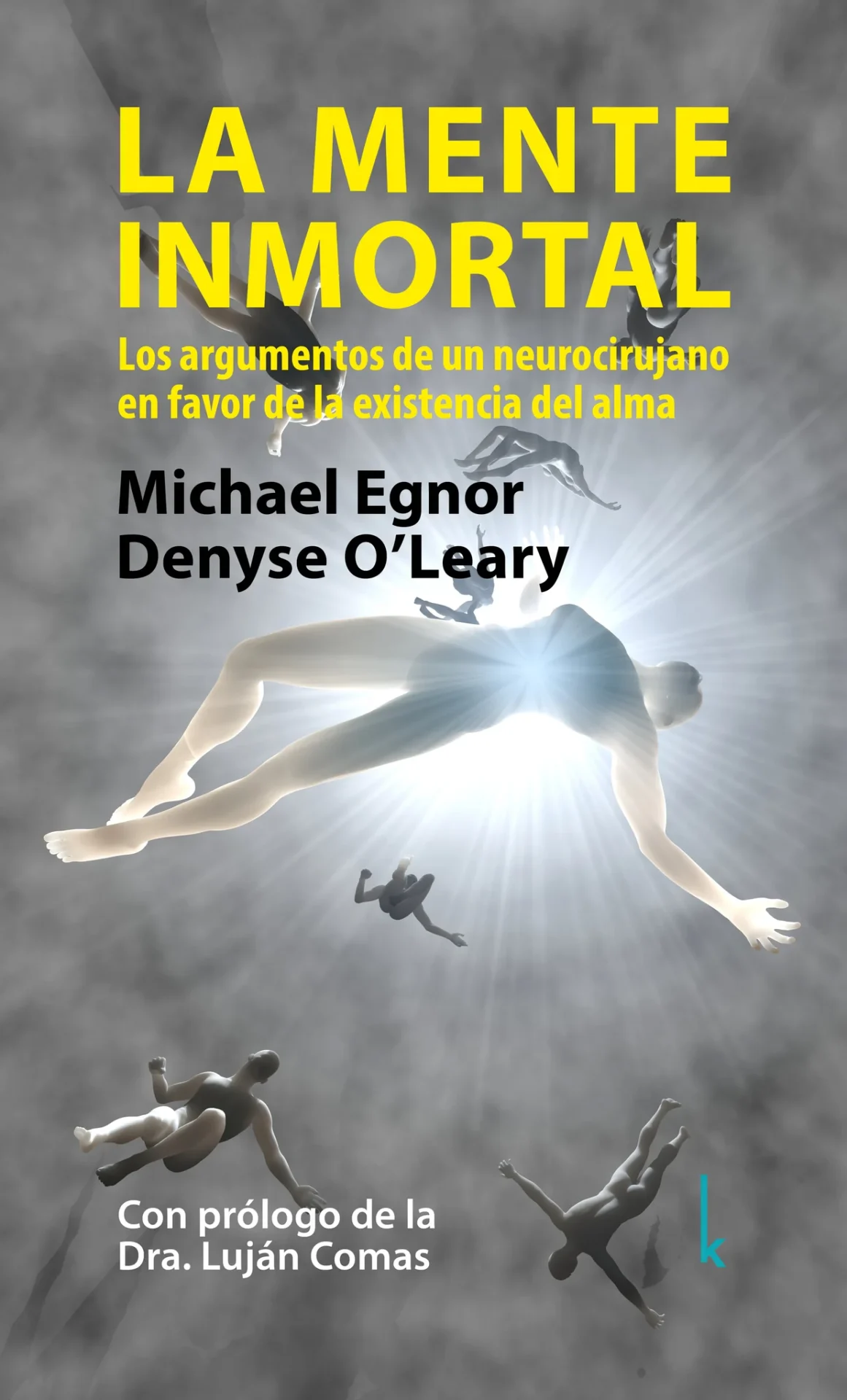
The gathering was informal and relaxed, with Dr. Comas engaging in an open, fluid conversation with the attendees. Over the course of an hour and a half, she answered questions, debated concepts, and shared her insights on Life & Death, including her experiences, her book, and her research.
Educating about this topic remains a core commitment of ICLOBY in all the spaces it participates in. This event was yet another opportunity where the audience walked away with a broadened perspective. As stated in the event invitation: two seemingly opposing subjects, one conversation.
Here we share some photos from the event