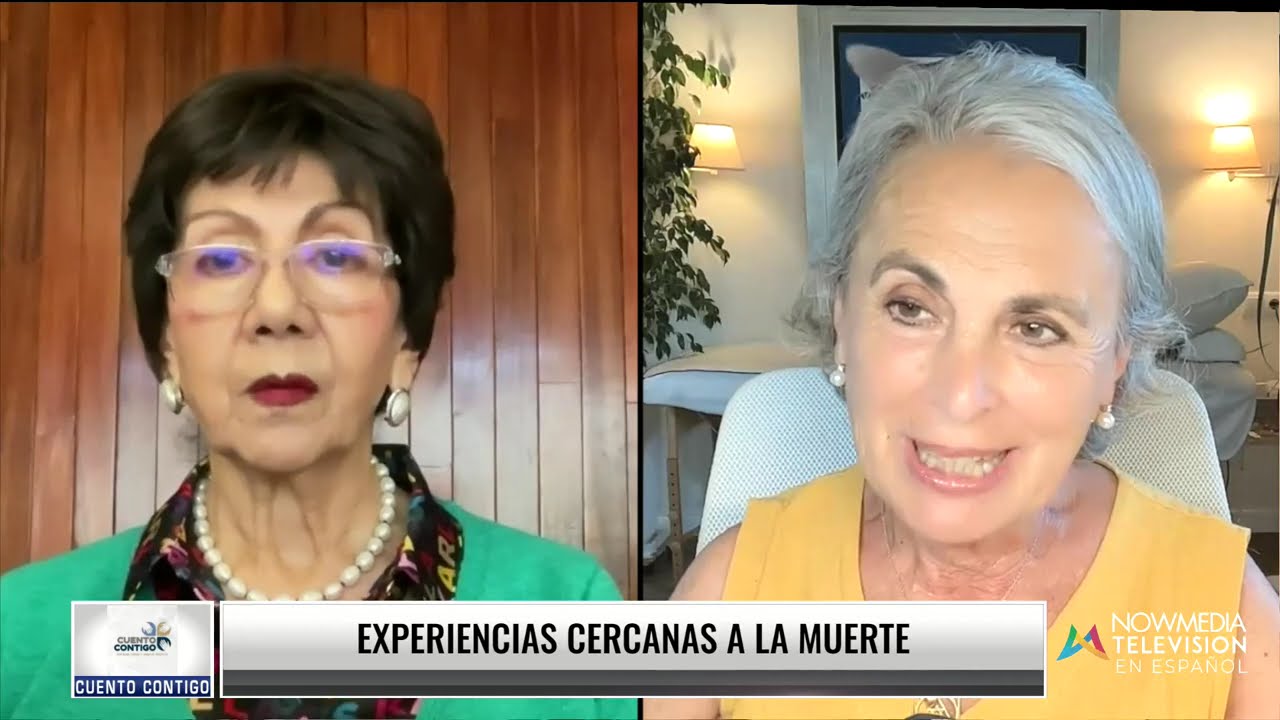
The program Story with you, aired on NowMedia TV, invited Dr. Luján Comas and Mexican neurosurgeon Dr. Jaime Torres Corzo to discuss near-death experiences (NDEs).
Dr. Comas emphasized the need to dismantle the paradigm that the brain produces consciousness—one of the central goals in NDE research. In her words, we may not know how NDEs happen, but that doesn’t mean they don’t exist.
Dr. Torres, who describes himself as a professionally trained materialist, stated that phenomena such as NDEs and connections with the deceased cannot be fully explained if we only consider consciousness as something that resides in the brain.
Both guests agreed that the materialist model of medicine falls short when it comes to explaining phenomena like NDEs, terminal lucidity, or communication with the deceased. These are well-documented events that cannot be ignored—even if they currently lack a scientific explanation.
The program also delved into topics such as local and non-local consciousness, quantum physics, energy, human evolution, the Universe, the soul, dark matter, and communication with another plane when a patient dies.
In the end, the lingering question was: Is life an evolution of consciousness, and is death a return home?