
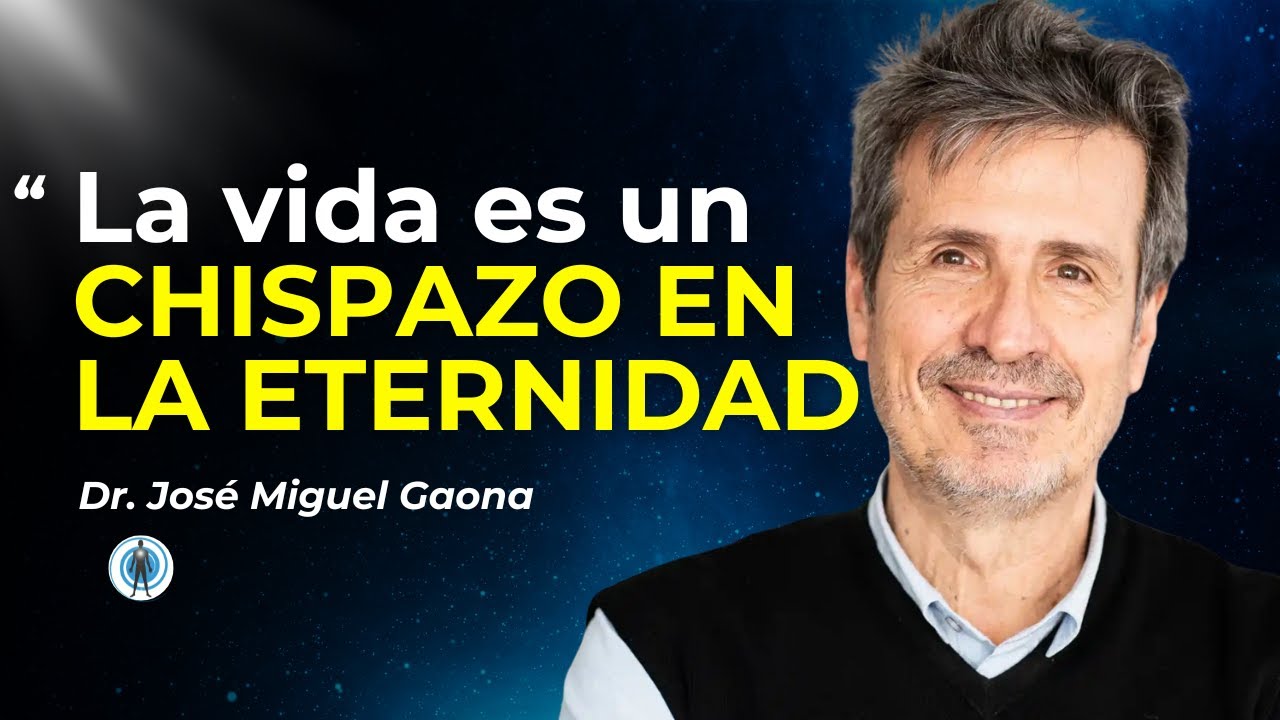
Dr. José Miguel Gaona

Why Death Is Not the End

Dr. José Miguel Gaona holds a Doctorate in Medicine and a Master’s degree in Medical Psychology, and is a specialist in non-invasive brain-stimulation techniques. He is also a university professor and holds a diploma in Theology, among other qualifications. His work in scientific dissemination earned him the National Journalism Award in Mexico, and he is the author of several books, including El Límite and Al otro lado del túnel.

His scientific curiosity and interest in studying the phenomena of life and death have led him into diverse and uncommon settings: war zones, work with individuals experiencing drug addiction, patients with AIDS, and others — contexts in which he has been closely exposed to experiences related to death.

His reflections on Consciousness, its relationship with the brain, the key insights derived from Near-Death Experiences (NDEs), and the ways in which research in this field challenges materialist paradigms in Medicine, are some of the topics addressed in this interview.

Watch the full interview

Share

Other news

Dr. Maria Strømme

Emerging Theories on Consciousness and Its Relationship to the Brain

Could consciousness be a fundamental element of the universe — something more collective than individually contained within each person? In this interview conducted by Harry Boulton, Dr. Maria Strømme shares her reflections on this question.
See more →
New documentary about NDEs

A New Documentary on Near-Death Experiences Is Now in Production

With growing interest in Near-Death Experiences, new documentaries on the subject are being produced, with the aim of presenting these experiences in a way that feels closer and more accessible to audiences who are increasingly curious about what happens when we die.
See more →
II Day of Interreligious Spirituality

Death in the Service of Life

The Icloby Foundation took part in the 2nd Interreligious Spirituality Conference organized by Espai Sistèmic i Humanista in Barcelona. The conference invited participants to reflect on how death can be at the service of life.
See more →
Scroll to Top