
Increasingly, the scientific community is fostering spaces for dialogue about life and death. Scientific evidence emerging from research on near-death experiences has contributed to a growing interest among the general public in the question of whether life continues after death. This interest extends beyond the healthcare field to include people from all walks of life who wonder whether existence truly ends when death arrives.
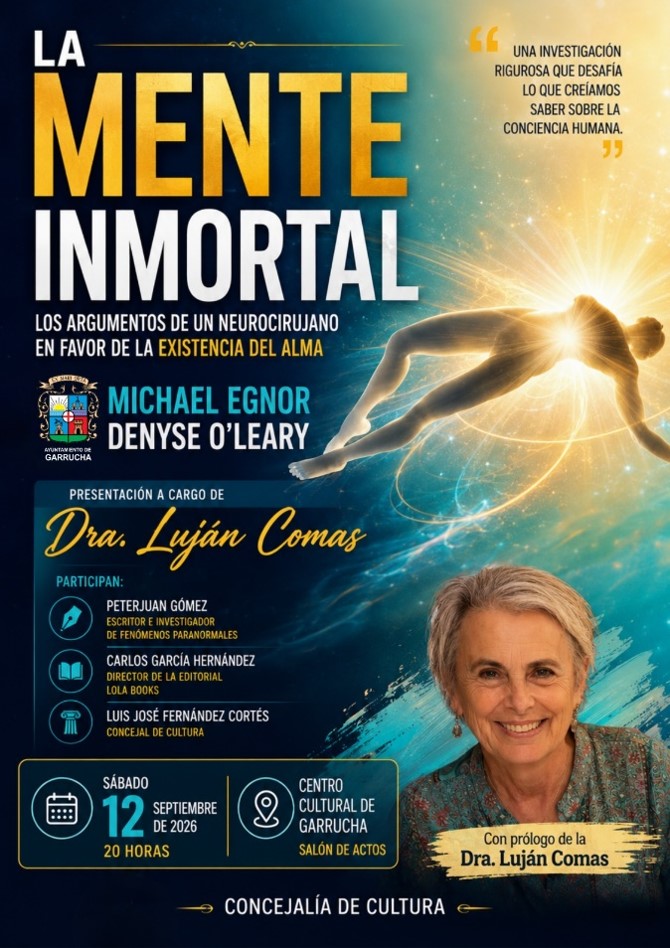
In For this reason, on June 2, Dr. Luján Comas, President of the ICLOBY Foundation, met with a large audience during an event organized by the Medical Association of Lleida. Topics such as consciousness, its relationship with the brain, near-death experiences (NDEs), and the testimonies derived from them were presented and discussed by Dr. Comas. Attendees actively participated through questions and comments, creating a rich and engaging dialogue.
It is worth noting that the invitation, extended in collaboration with the Provincial Council of Lleida, was open to the public. One week before the event, the venue had already reached full capacity. An additional room had to be opened, and even then, some attendees remained standing. The event was completely full.