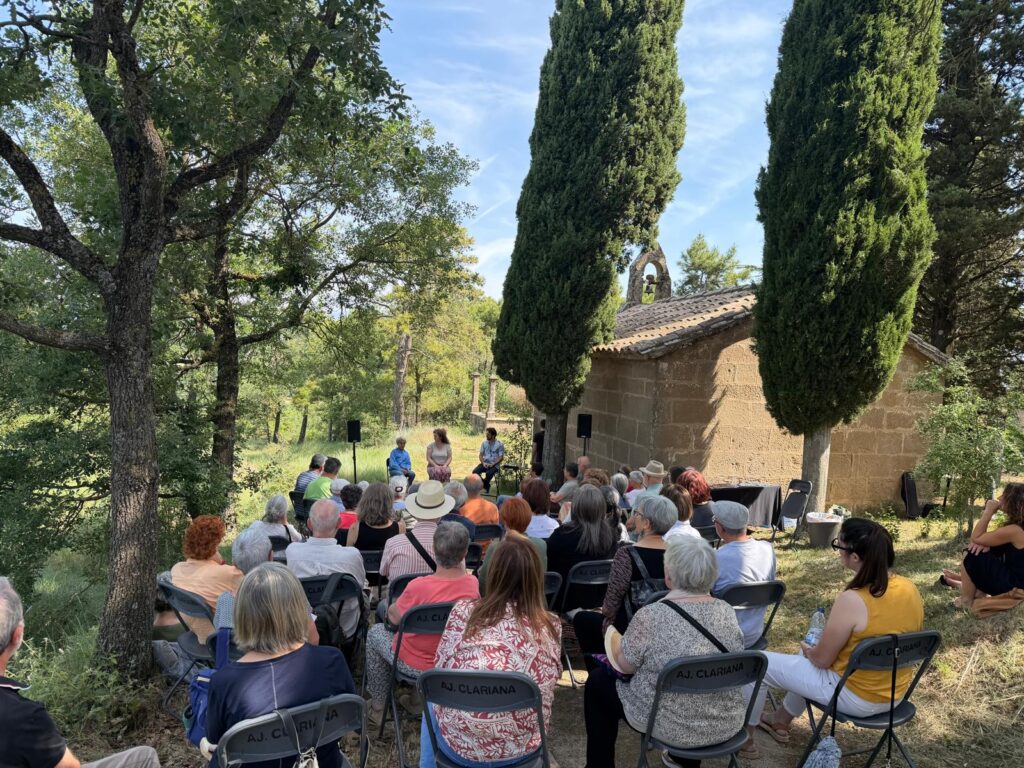
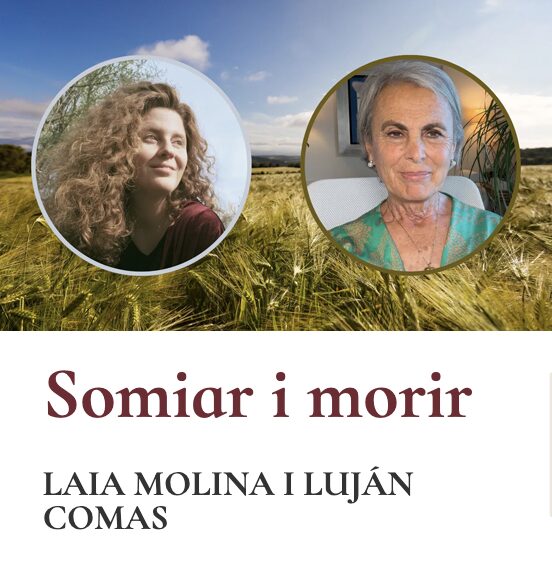
On May 30, Laia Molina, therapist and founder of the Dream-Mind Project (Dream-Mind Project), together with Dr. Luján Comas, President of the ICLOBY Foundation and leader of Project LUZ, offered a two-hour workshop inviting participants to reflect on death and prepare for one of life’s most crucial moments.
How can dreams help us in this preparation? What happens to consciousness when we fall asleep? Is there life after death? What evidence do near-death experiences (NDEs) provide about what happens when we die? These were some of the questions explored by the speakers as they created a space in which participants could delve more deeply into the mysteries of life and death—a subject that is attracting increasing interest among the general public.
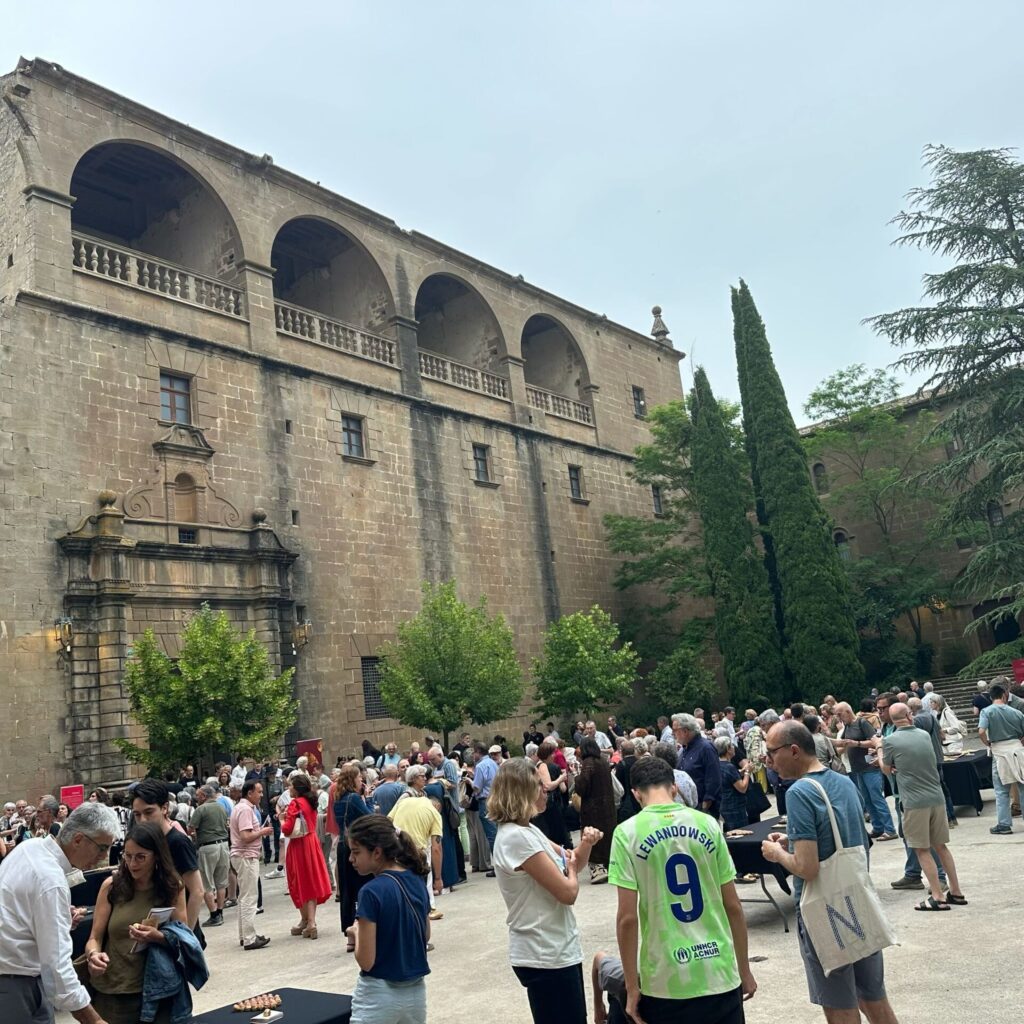
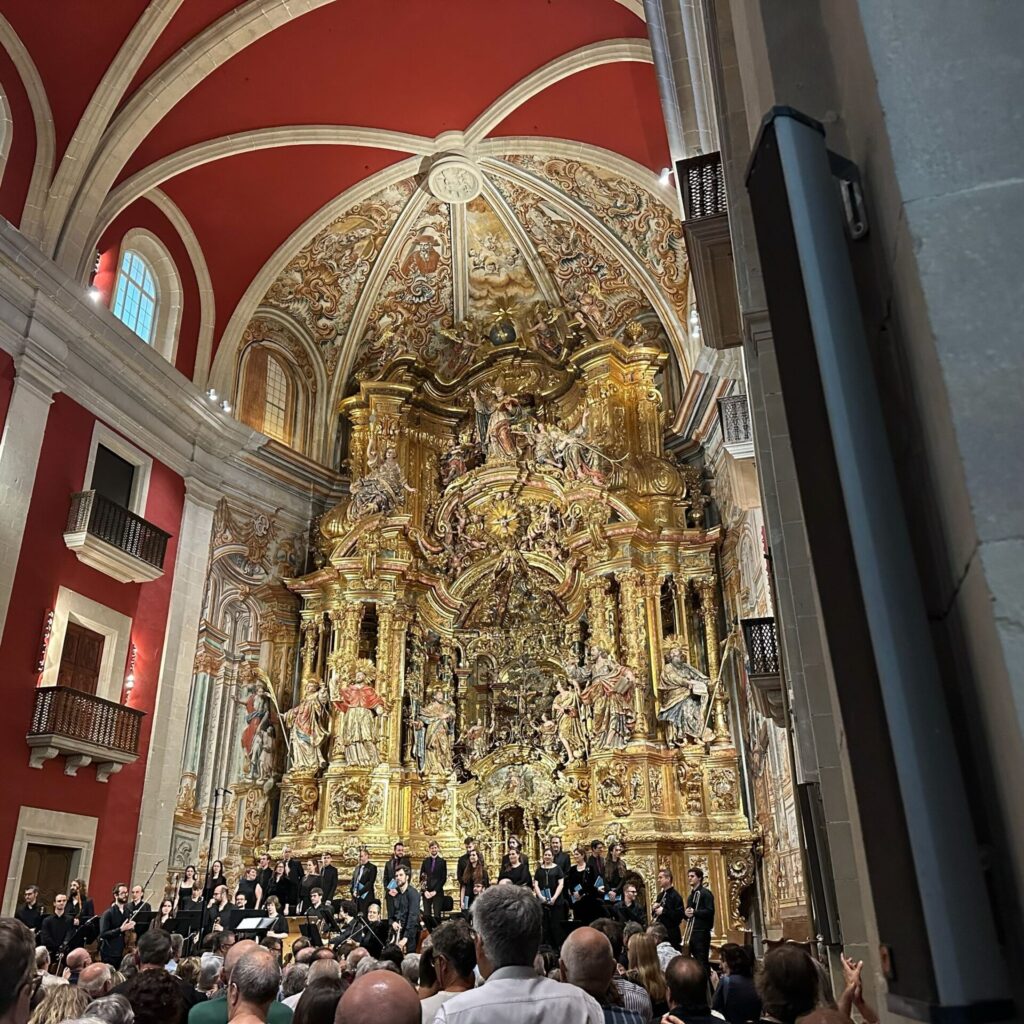
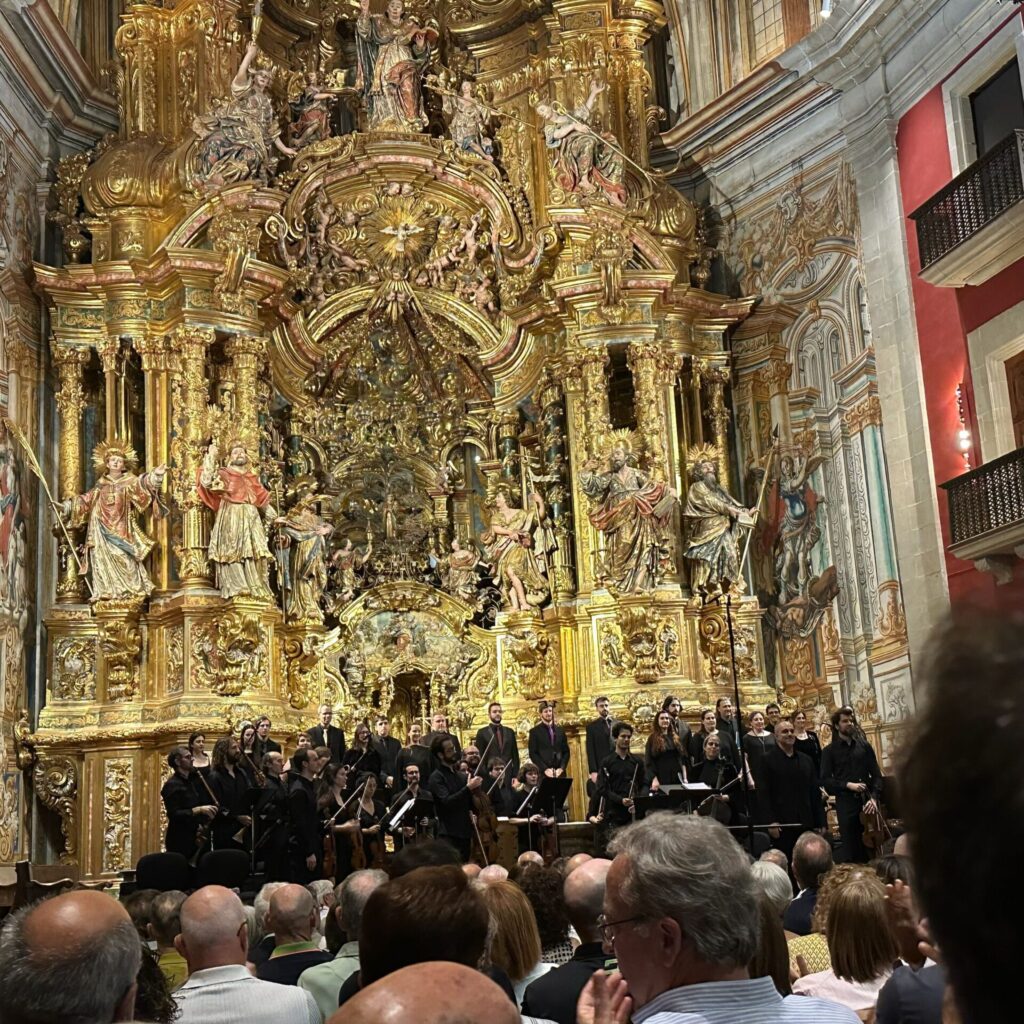
This event formed part of a broader gathering that featured painting, music, creations inspired by dreams, and a delightful tasting of artisanal products from the monastery. Together, these elements created an environment conducive to experiencing, from different perspectives, a profound reflection on life and death.
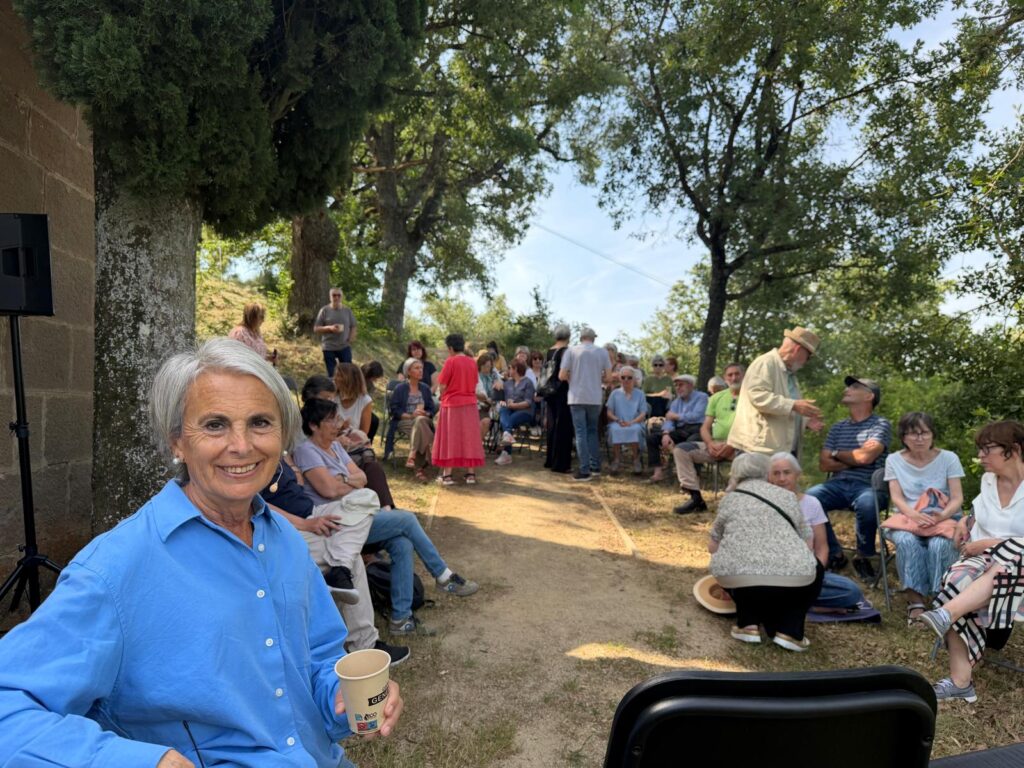
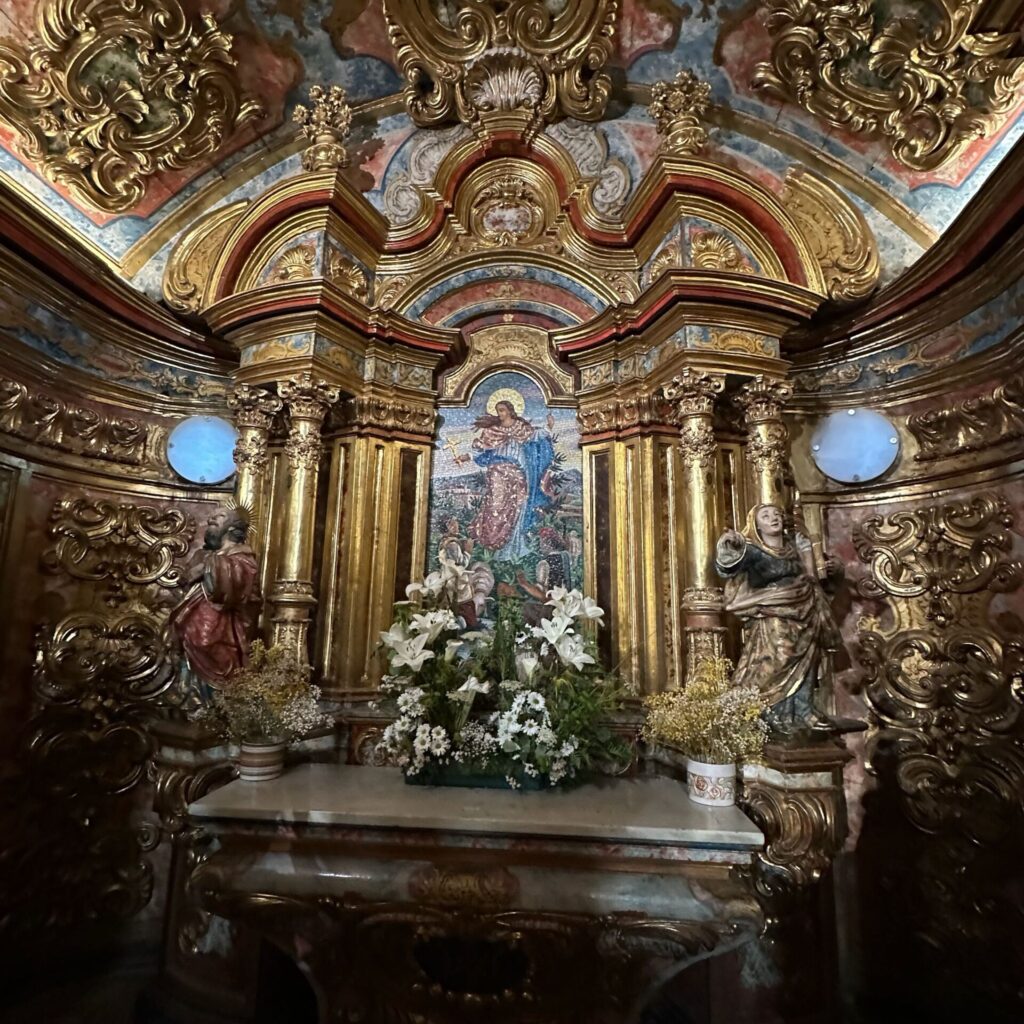
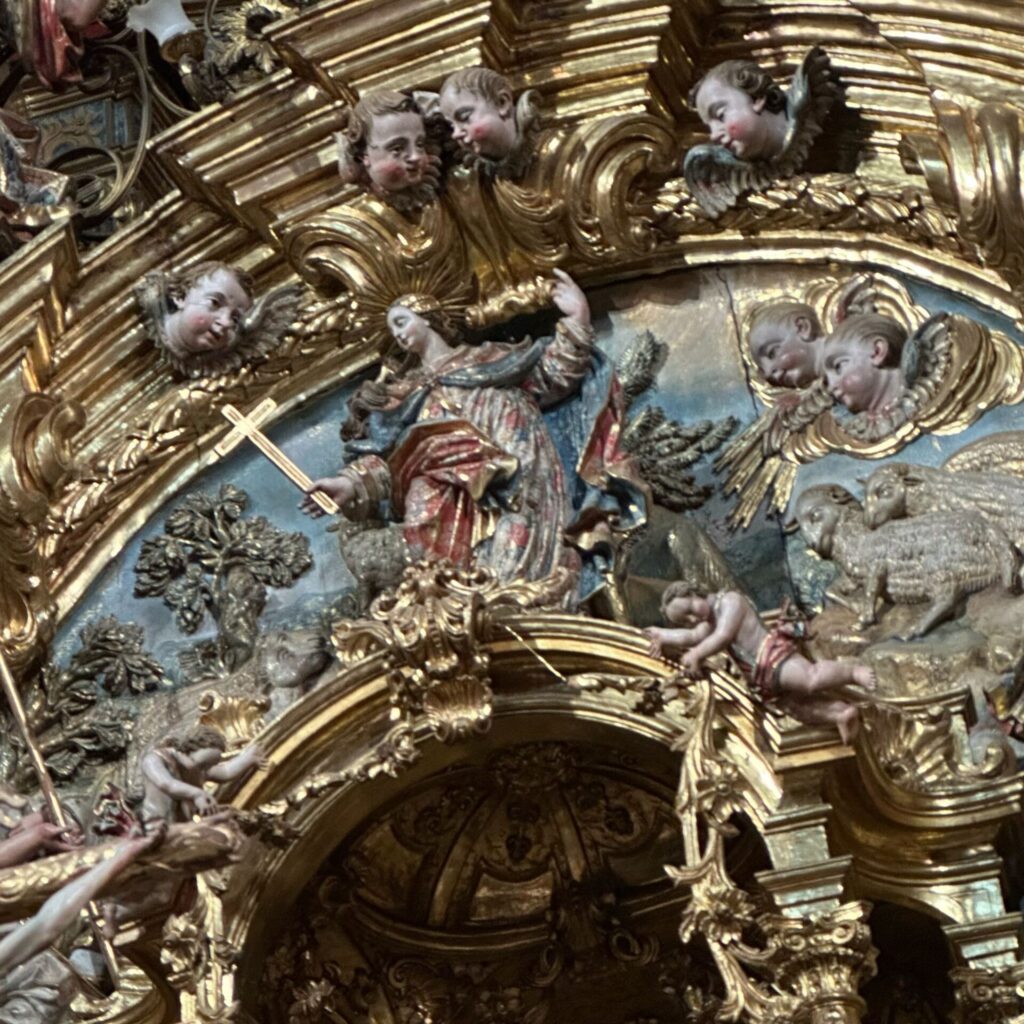
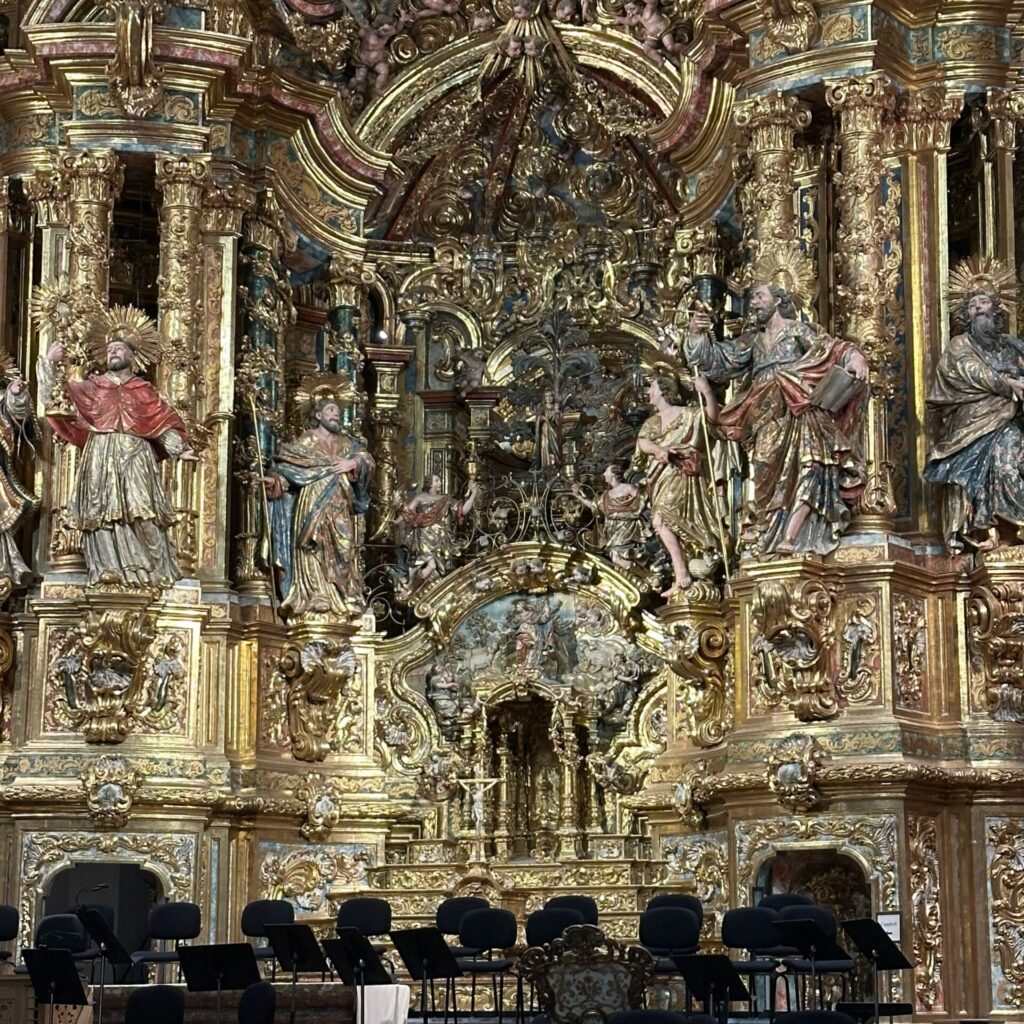
The following photographs capture some of the most memorable moments of the event, as well as the beauty of the remarkable setting in which it took place.