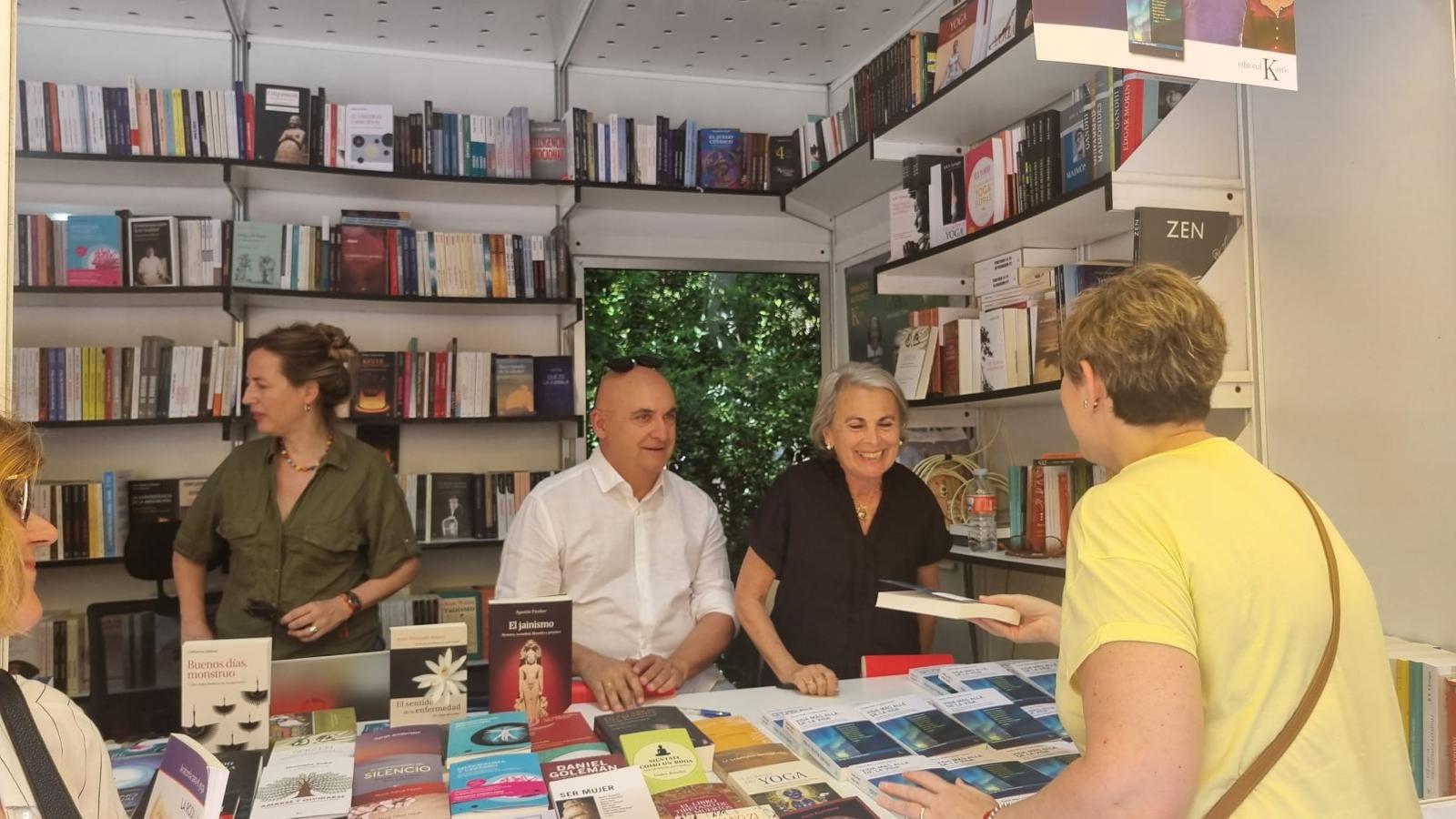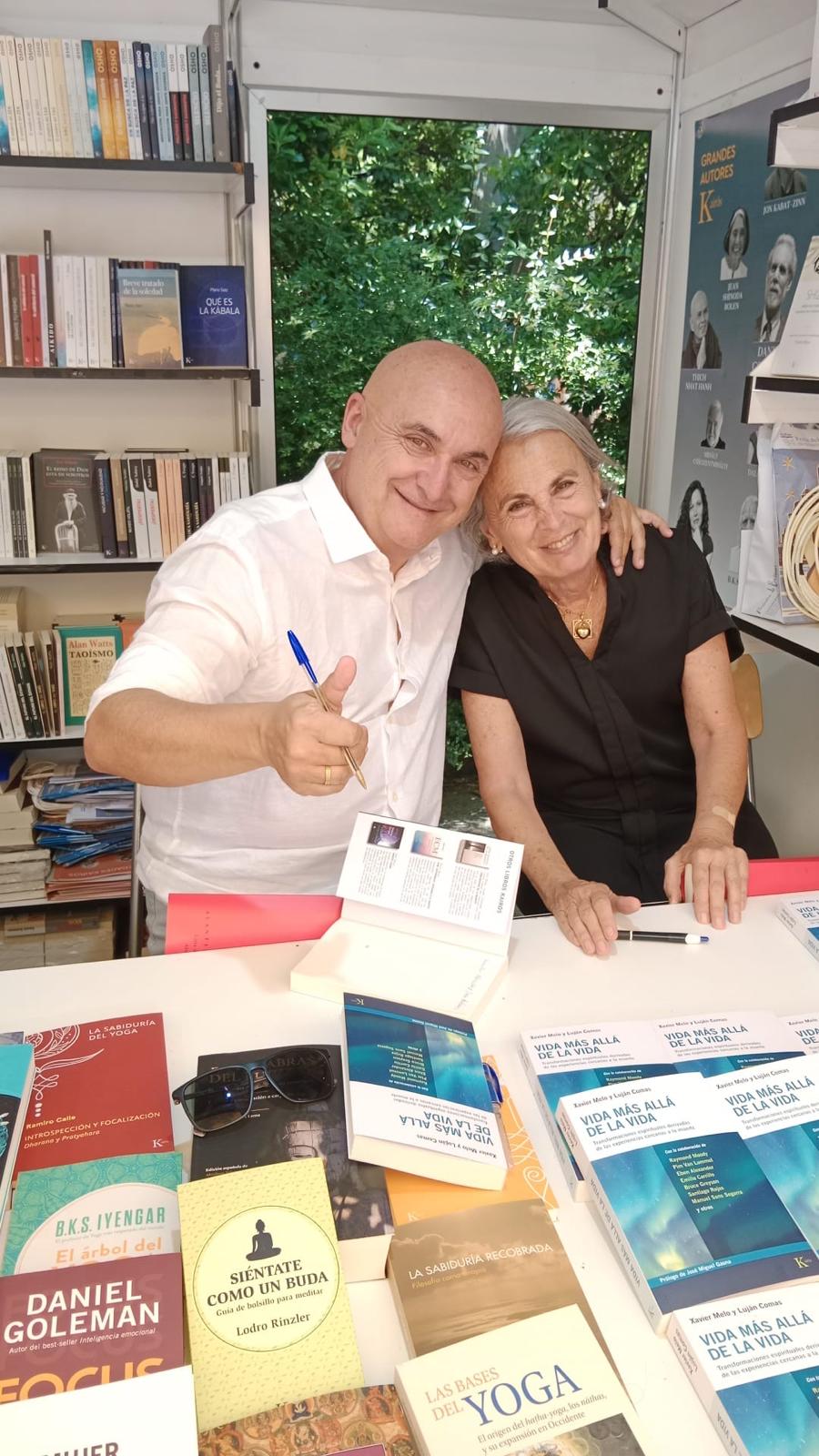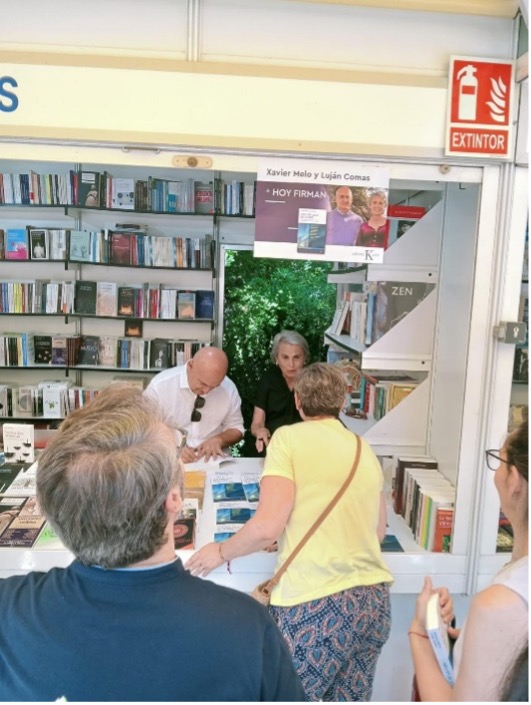


Publicizing the goals of Light Project in various scientific and related settings is one of the activities to which the ICLOBY Foundation pays special attention. With the deep conviction that educating the general public on topics surrounding Life and Death contributes to their overall well-being, Dr. Lujan Comas – president of the Foundation – together with Dr. Xavier Melo, the Foundation’s founding director, continuously travel to attend events and media outlets.
On June 14, journalist Daniel Mediavilla – co-founder of Materia, the science section of this newspaper – spoke with Dr. Comas about this research, which is being conducted in Spanish-speaking countries and currently includes 15 affiliated hospitals.
In a detailed article, Mediavilla offers an extensive overview of the various approaches to near-death experiences (NDEs) and terminal lucidity, presenting multiple perspectives that help readers form a general understanding of how these phenomena can be explained. All of this aims to shed light on the relationship between the brain and consciousness, and what happens to consciousness when the brain stops functioning properly.
Without “taking sides between one school of thought and another,” Mediavilla concludes that, in the end, “the human need for comfort is insatiable”.