
Review of “Radical New Theory of Consciousness Could Finally Offer an Explanation of What Happens When You Die,” by Harry Boulton
Today’s review is somewhat more theoretical and philosophical than previous ones. However, it may offer a meaningful framework for understanding non-local consciousness phenomena.
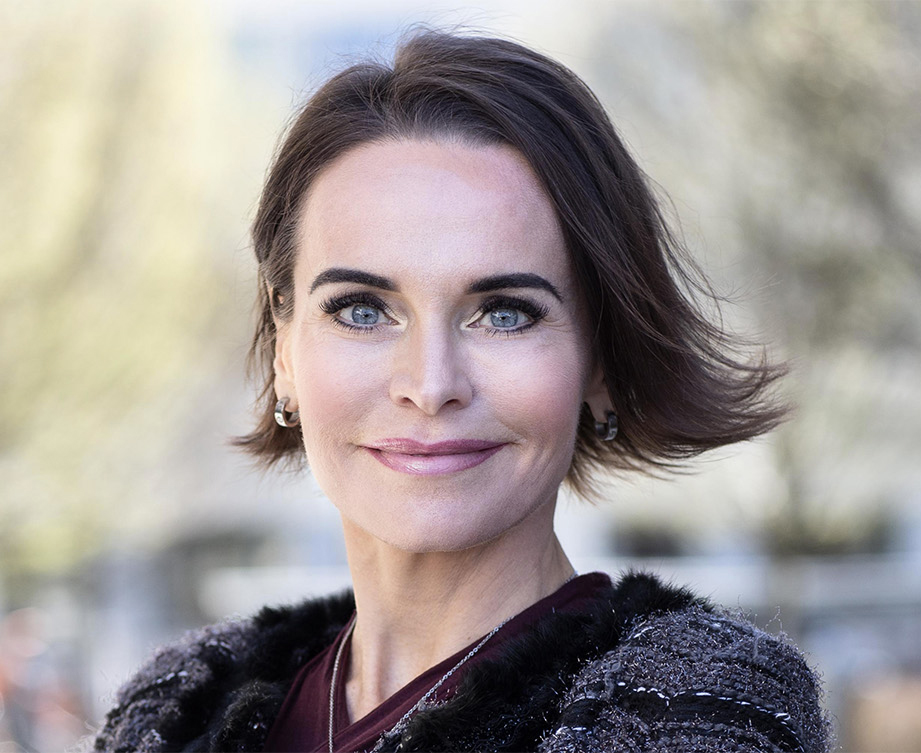
Harry Boulton interviews Maria Strømme about phenomena such as Near-Death Experiences (NDEs) and others that appear to suggest a degree of independence between consciousness and the brain.
Dr. Currents, Professor of Nanotechnology at Uppsala University in Sweden, proposes that consciousness is not an individual phenomenon residing within each person, but rather a fundamental field — a basic element of the universe. Such a view could help explain the experiences reported by individuals who have been resuscitated after life-threatening events.
If, as she suggests, consciousness is a fundamental field of reality, it would cease to be merely a philosophical question and become a scientific one — potentially offering explanatory ground for NDEs and other phenomena such as telepathy or telekinesis.
Consciousness, in this view, would be something collective rather than individual: a wave or fluctuation within this field would give rise to what we perceive as each particular mind.
Strømme proposes that her cosmological interpretation of consciousness could provide a model for life after death, much like certain religious traditions that have described consciousness as interconnected — as well as aspects of quantum physics that appear to point toward similar conclusions.
The researcher hopes that her hypothesis may eventually be tested and contribute to the advancement of science.
Òscar Llorens i Garcia