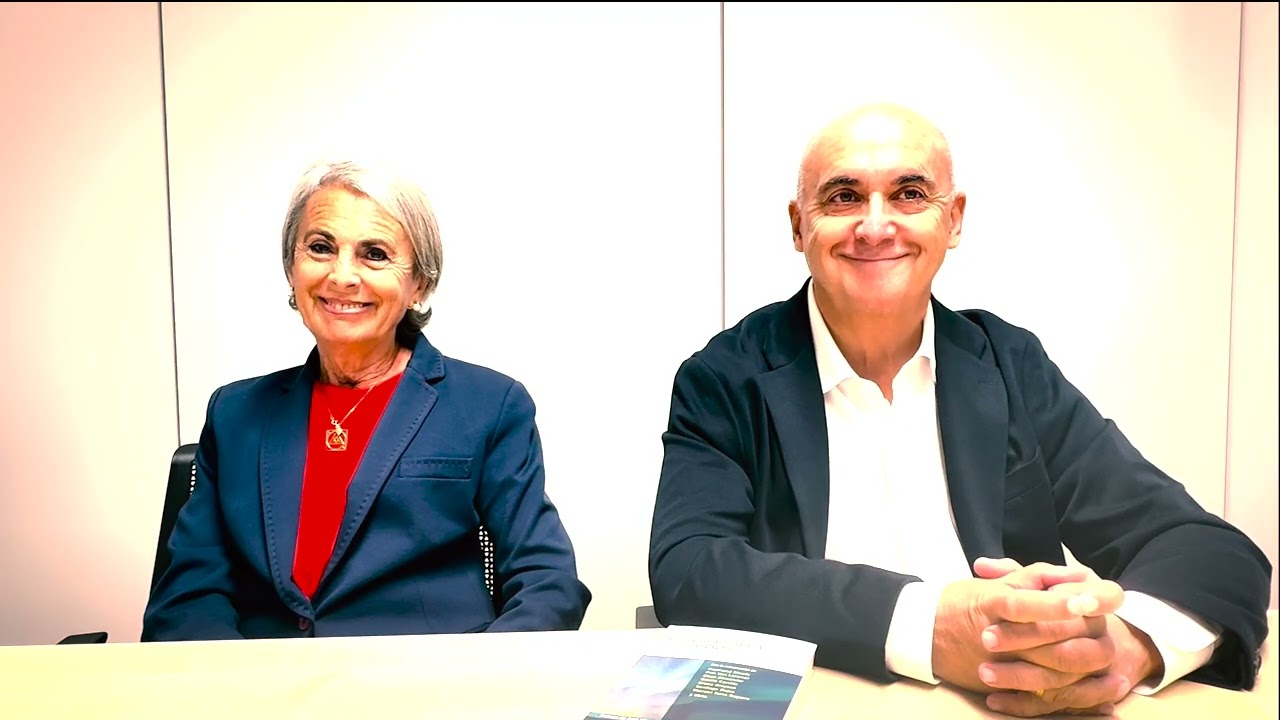
In a deep and luminous conversation withJosep Guijarro forMystery Space, theDr. Luján Comas and theDr. Xavier Melo —authors ofLife beyond life and president and founder of theIcloby Foundation— share the keys to their research on thenear death experiences (NDE), thesurvival of consciousness and thelight project, the largest study in Spanish on cardiac arrest awareness.
Development of the news:
The spaceMystery Space, directed by journalistJosep Guijarro, He dedicated his most recent interview to exploring the limits of consciousness and the possibility of its continuity beyond death. On this occasion, spoke with theDr. Luján Comas, anesthesiologist and specialist in integrative therapies, and with himDr. Xavier Melo, economist and consciousness researcher, both international references and members of theIcloby Foundation
During the interview, the doctors presented their workLife beyond life, published by the publisherCairo, an anthology that brings together the testimonies and reflections of prominent international researchers such asRaymond Moody, Pim van Lommel, Bruce Greyson, Jeff Olsen andEmilio Carrillo, among others.
The book arises from the desire to“bring hope where there is hopelessness and joy where there is sadness.”, from science”, explained Dr.. Luján Comas.
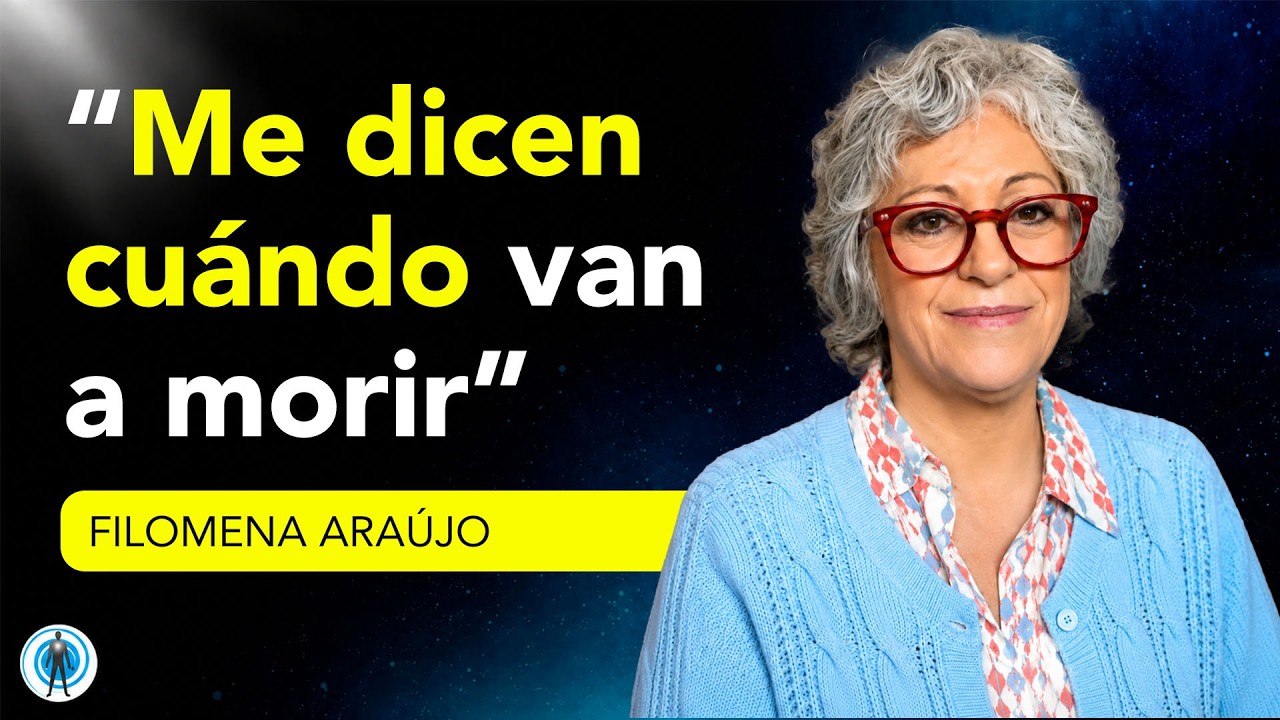
“Twenty years ago, when I wanted to research near-death experiences, They told me I was crazy. Hoy, Hospitals want to study these phenomena with scientific rigor. “Something has changed profoundly in society.”, points out Dr.. Xavier Melo.
They both agree that we are living aera of synthesis, where Eastern wisdom and Western science begin to meet on common ground: the study of consciousness. “Eastern thought has brought a broader view of life and death”, Luján pointed out, “and thanks to that openness today we can talk about the soul and the transcendent with respect and foundation”.
One of the central themes of the meeting waslight project, international research led by the Icloby Foundation and theUniversity Foundation of Health Sciences (FUCS), which scientifically studies near-death experiences in patients with documented cardiac arrest.
At the moment, The project has the collaboration ofmore than 15 hospitals in Spain, Latin America and other countries, and aims to become the world's largest study of consciousness and clinical death.
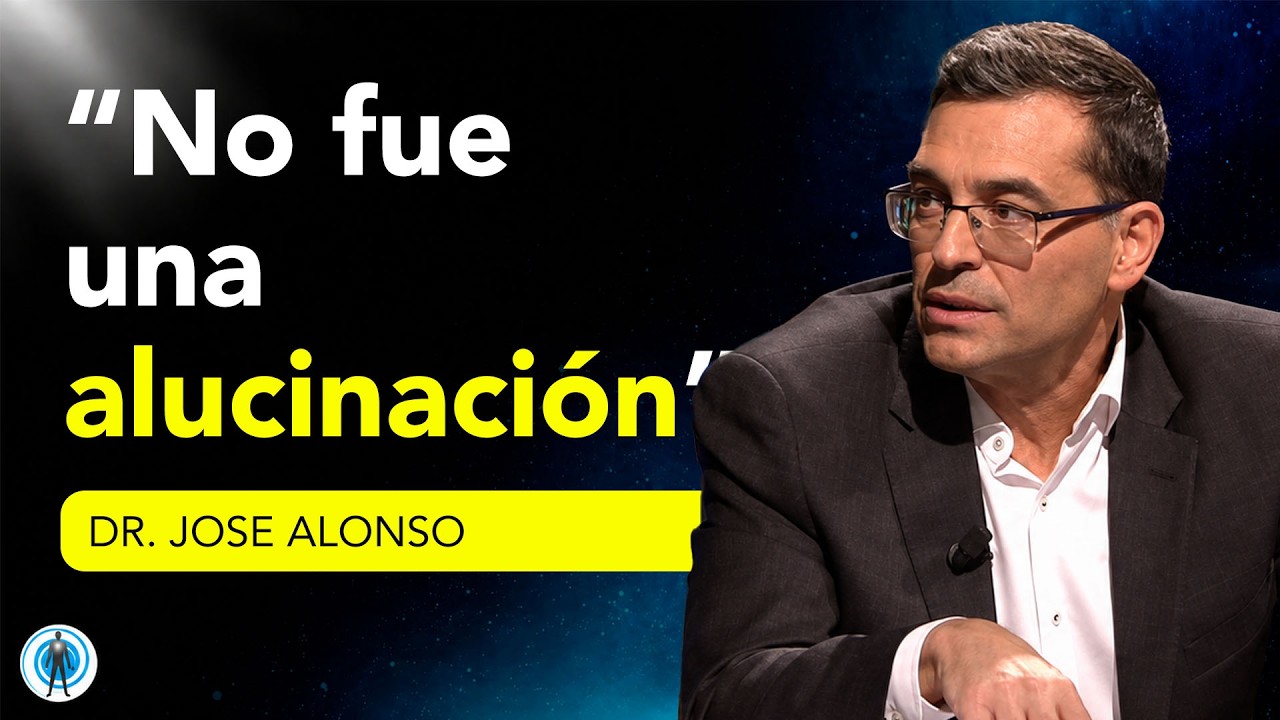
"We are proving that the brain is not the producer of consciousness, but its receiver. Consciousness is something much broader, that can last even when the brain stops working”, explains Dr.. Comas.
the book, whose profits are entirely used to finance this research, search alsoreconcile people with the idea of death. “The fear of dying prevents us from living fully”, says Melo. “When we lose that fear, we learn to value life, every moment and every loved one”.
ConLife beyond life, both authors offer a bridge between science and spirituality, between reason and experience, opening a necessary conversation about who we are and what remains when the body ceases.
“Pain is inevitable,” says Luján., but suffering is optional. Knowing that life goes on helps us live with more love, conscience and serenity.