
Unlike NDEs, hallucinations do not occur when the brain is not functioning. The details of what was experienced remain intact despite the passage of time. The fear of death disappears, and gratitude for each day of life endures. This testimony proves it.
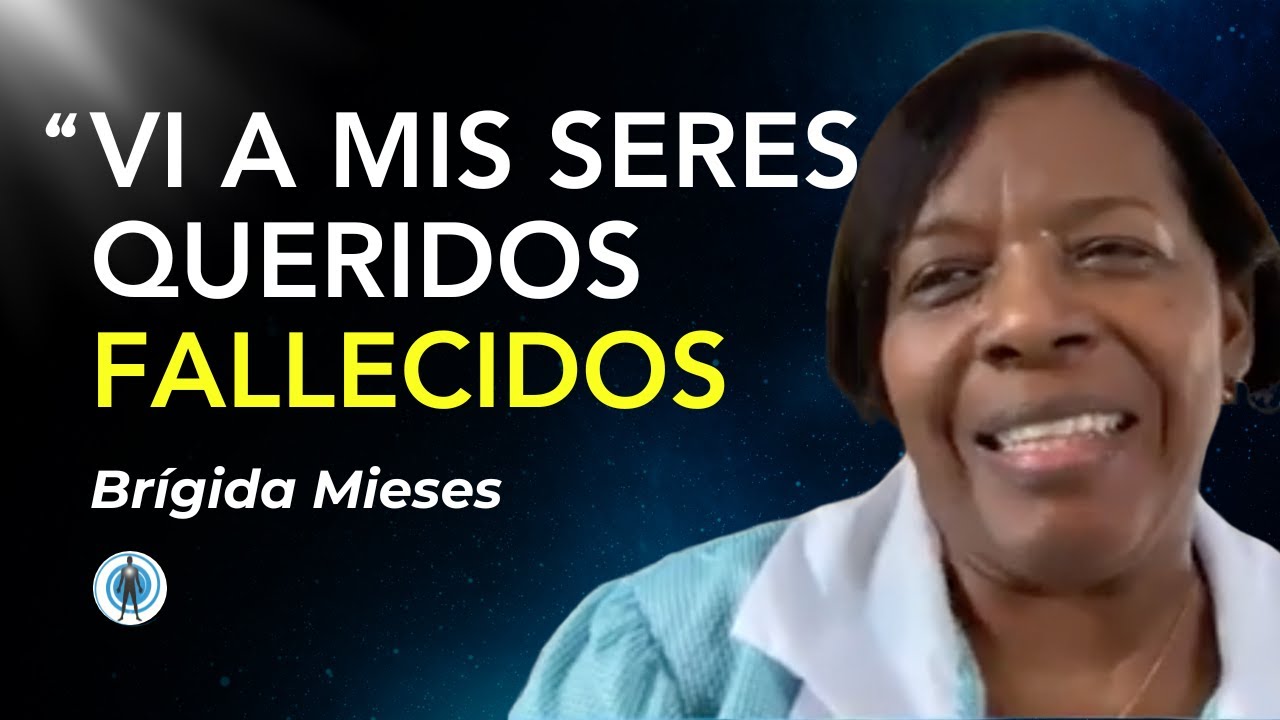
Brígida Mieses Lives in the Dominican Republic. For 40 years, she has worked as a domestic service assistant for the same family. Her simplicity in recounting her experience, her wide smile, and the conviction with which she tells her story invite us to reflect on how NDEs are not bound by race, religion, gender, education level, or geographic location.
About 12 years ago, after returning from church one day, she felt dizzy. She went to seek help from her sister. When her sister arrived, she lay down—and from that moment, she was no longer aware of herself. While in that state, she had a conversation with Jesus, visited her homeland, spoke with deceased loved ones, received messages for people still living, and upon returning, her recovery was extraordinary. At the time, the doctors treating her were astonished, as the recovery was clearly near-instantaneous and without any aftereffects.
Regardless of the time that has passed, Brígida recounts her NDE with all the details in a simple and clear way. She speaks naturally about objects she saw, music she heard, and is convinced she would recognize them immediately if she ever encountered them again. Her experience serves as a reminder of the profound impact such events have on those who live through them.
Full interview here