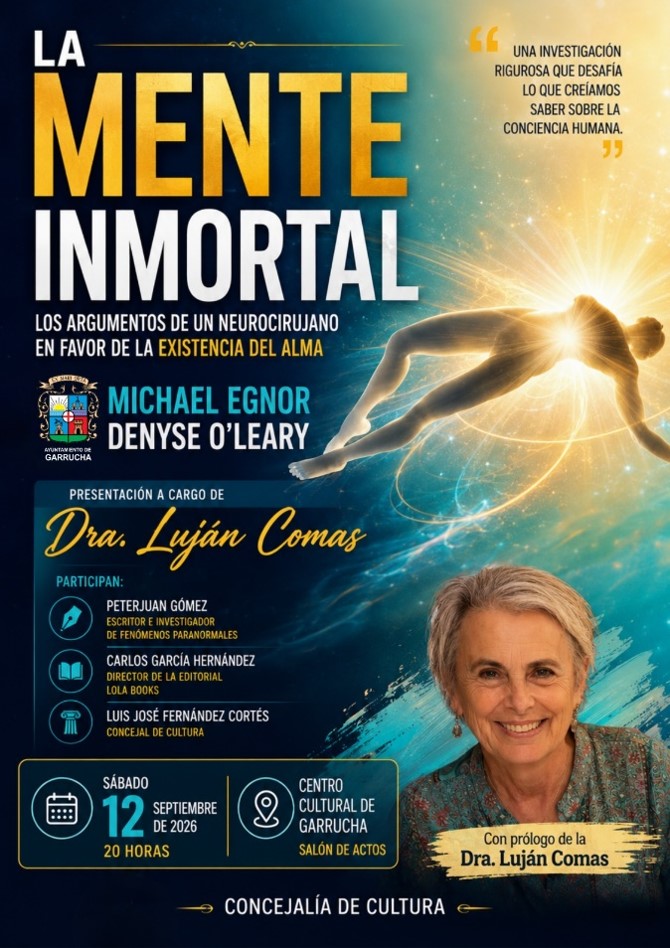

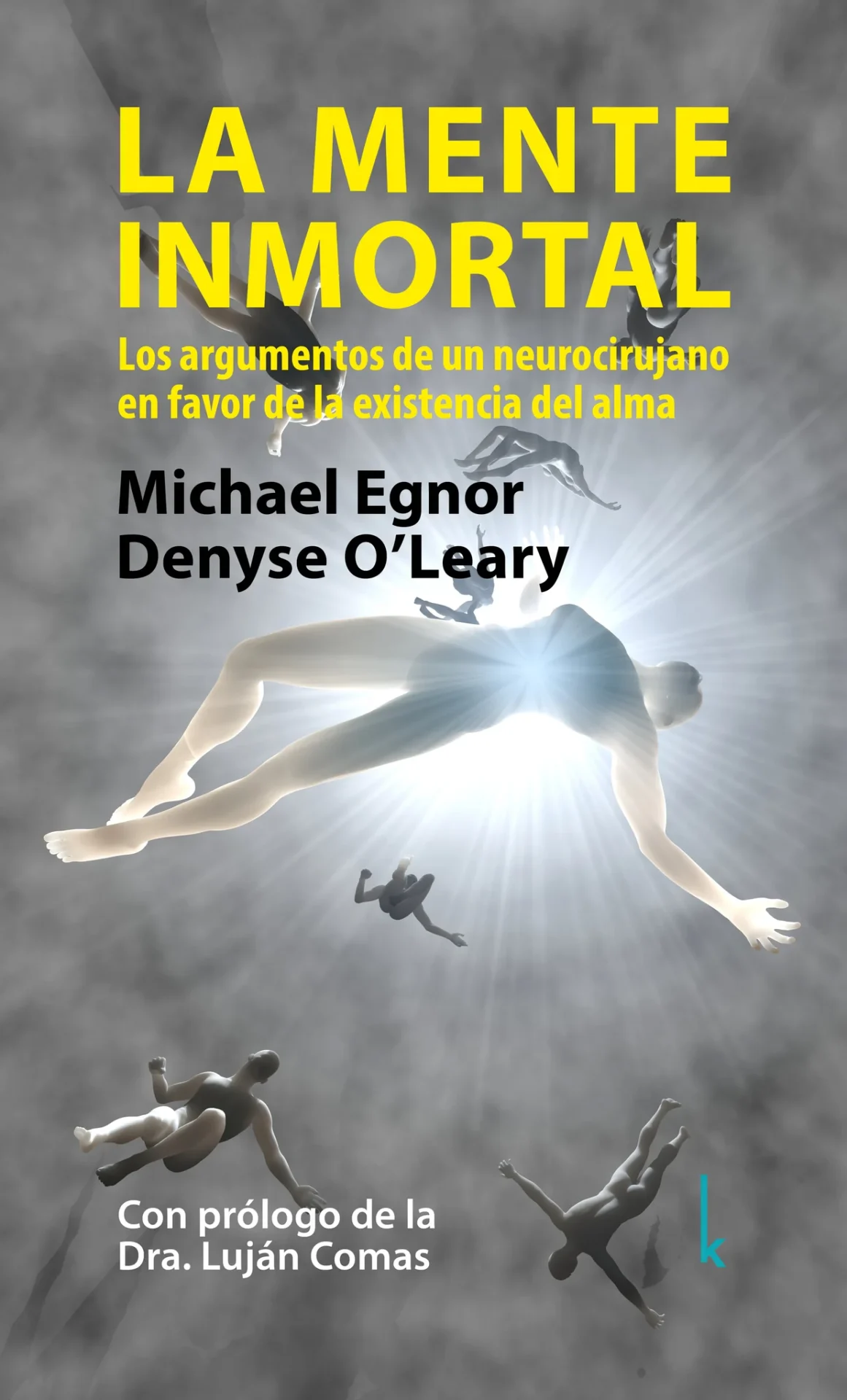
Michael Egnor and Denyse O’Leary published a book titled The Immortal Mind, which is well worth reading. The chapter discussing individuals who lack a cerebral cortex has been challenged by the well-known reductionist Steven Novella. According to Novella, individuals with hydrocephalus—a condition that can be present at birth, in which fluid accumulates within the skull and interferes with normal brain development—who survive for an extended period are rare.
O’Leary herself interviews Egnor about these cases.
Egnor explains that, with only one exception, all materialist theories of consciousness—that is, theories proposing that consciousness is generated by the brain—maintain that the cerebral cortex is necessary for consciousness to arise. Therefore, he argues, if even a single individual lacks a cerebral cortex yet remains conscious, this would be sufficient grounds to invalidate nearly all materialist models of consciousness.
Egnor points out that Novella appears to confuse hydrocephalus, a condition involving the accumulation of fluid in the brain, with hydranencephaly, a condition in which major cerebral structures are absent.
The discussion then turns to cases of individuals who lack a cerebral hemisphere or a cerebellum yet lead normal lives. Novella attributes such cases to neuroplasticity, a phenomenon through which other regions of the brain can take over certain functions when part of the brain is damaged or absent. Egnor raises an intriguing question: Since brain scans are not routinely performed on everyone, how many people might be living normal lives despite missing significant portions of their brains?
In Egnor's opinion, this phenomenon may offer some support, albeit limited, for the existence of the soul. However, he argues that attributing the preservation of normal consciousness in individuals who lack significant portions of their brains solely to neuroplasticity is an exaggeration and represents poor scientific practice. He considers this particularly problematic given that modern neuroscience exercises considerable caution when establishing direct relationships between specific brain regions and their functions.
Òscar Llorens i Garcia