
What Doctors Don’t Tell You About Death

Dr. Jesús Viosca works in the world of professional football, specializing in Health and Sports. His curiosity about death did not arise from his professional practice; rather, it began after the passing of someone close to him, which led him to start asking questions about life after death.

The study of phenomena now being addressed and researched by science—among them near-death experiences (NDEs)—is, for Viosca, a way of acknowledging that evidence does exist. In his view, healthcare professionals no longer have the option of ignoring it. His invitation is for them to study, document, and investigate, so that through their own experience they may form their own conclusions.

Watch the full interview
Share

Other news

What Do People Who Are Conscious but Lack a Cerebral Cortex Demonstrate?

The evidence that consciousness originates in the brain is increasingly being questioned. Cases of individuals who live without certain parts of their brains yet retain consciousness raise questions about the validity of materialist models that seek to explain this phenomenon.
See more →

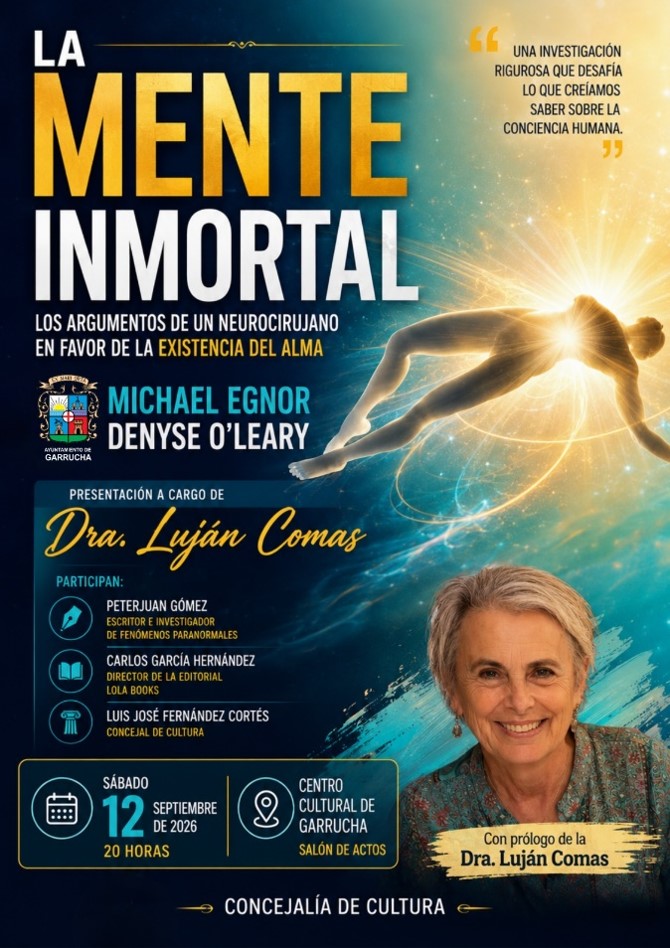
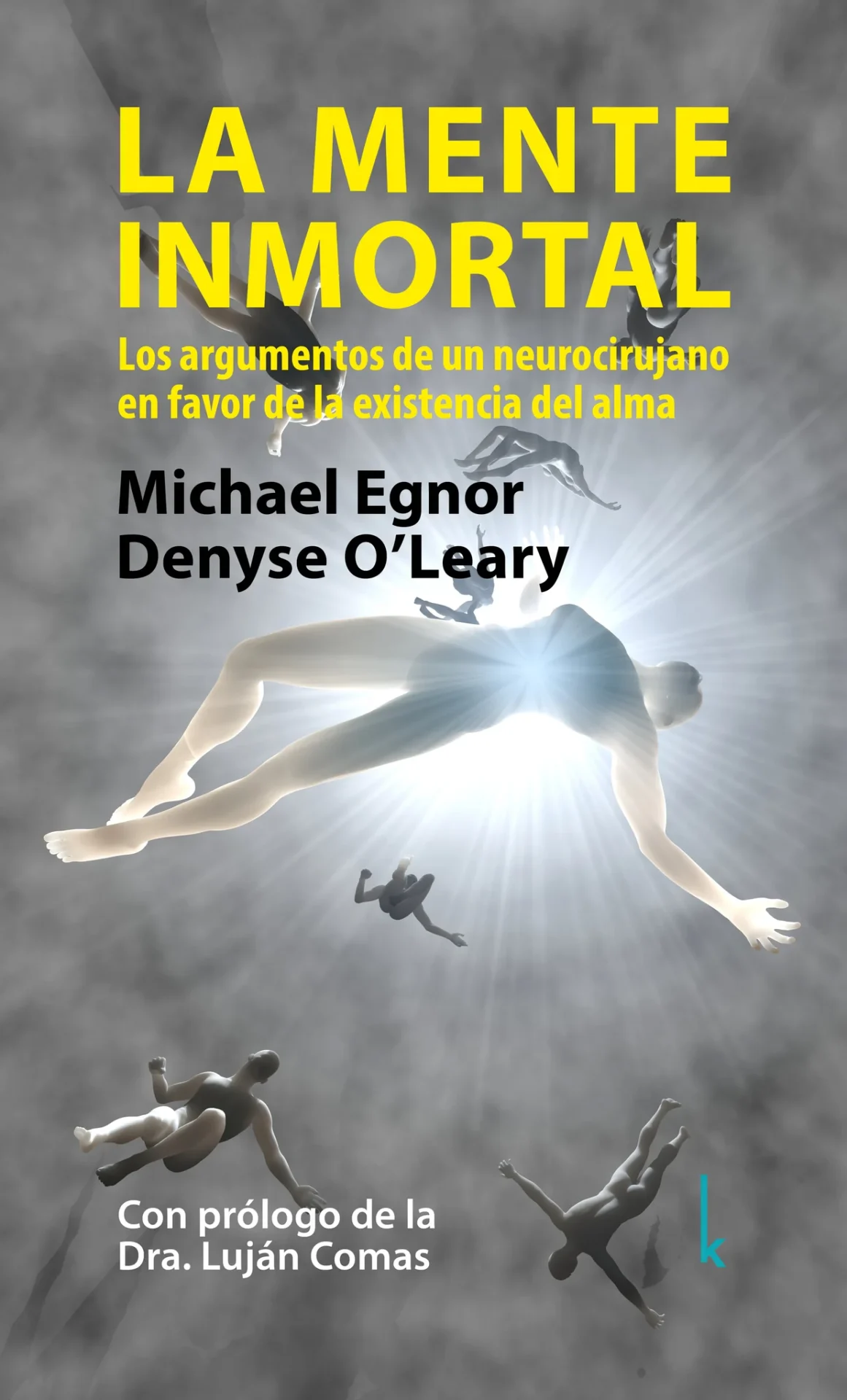
The Immortal Mind

The ICLOBY Foundation, represented by its President, Dr. Luján Comas, was responsible for presenting the book The Immortal Mind, written by Dr. Michael Egnor and journalist Denyse O’Leary, in Spain. Dr. Comas also had the opportunity to write the foreword to this work.
See more →
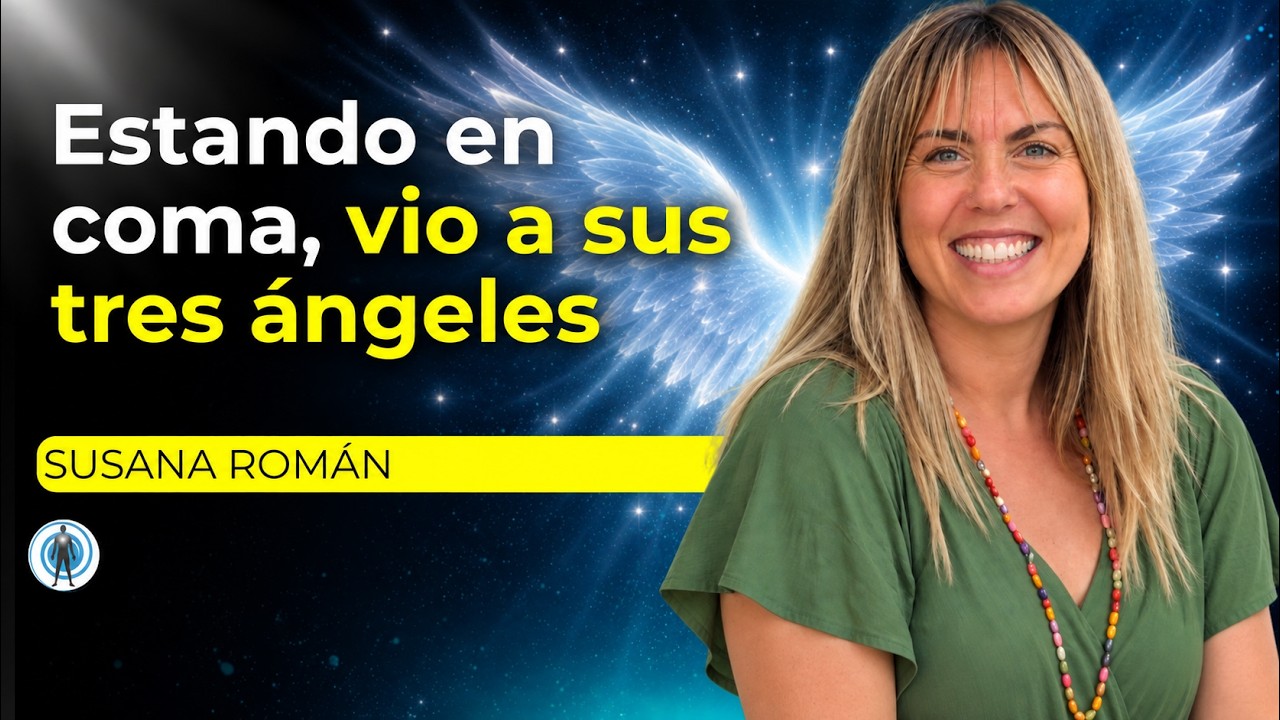
SUSANA ROMAN

I Saw Three Angels

Neardeath experiences (NDEs) during childhood are relatively uncommon. In the case featured in this publication, Susana Román experienced not one, but two such events.
See more →
Scroll to Top