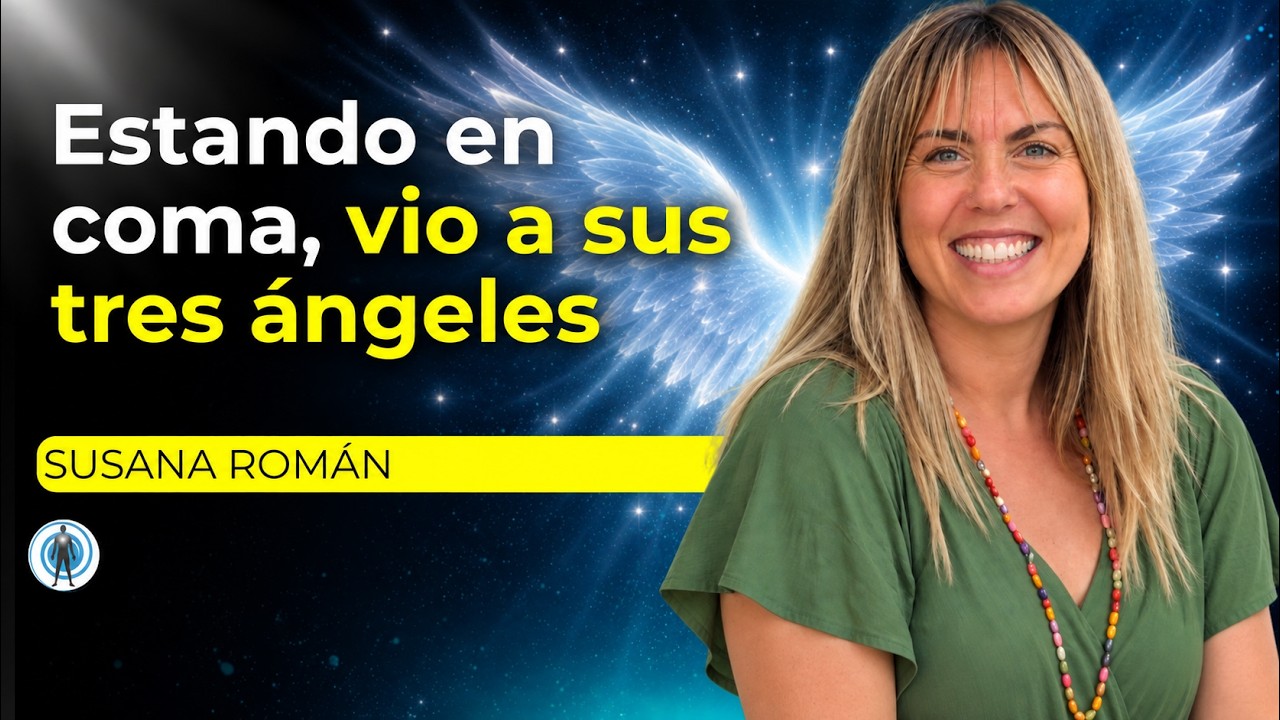

The interview is conducted by María Olid, Graduate in Biology and Front-End Developer, who gives life to the channelWake upon YouTube, a space dedicated to the expansion of consciousness, spirituality and personal growth.
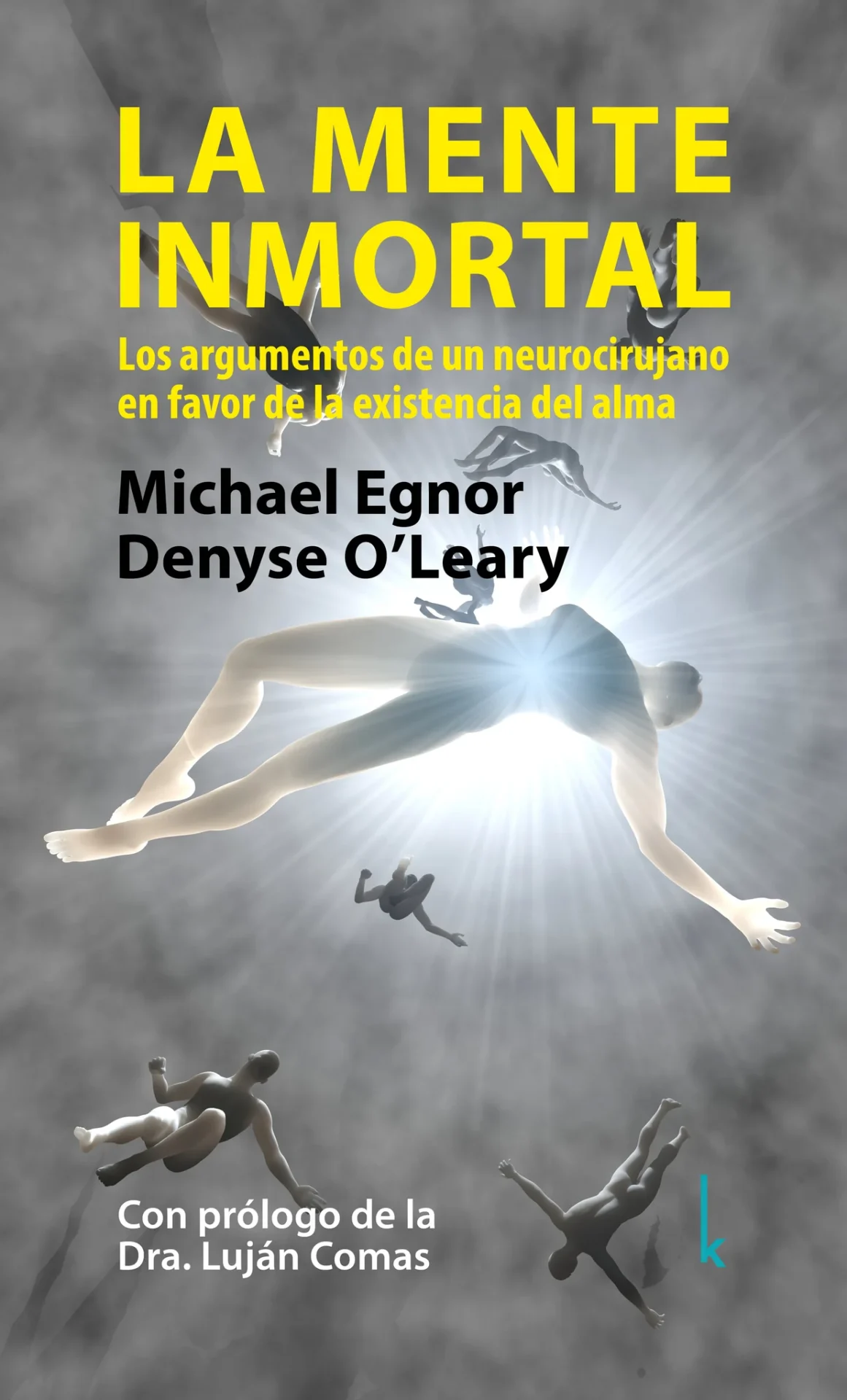
From the beginning, Luján and María talk about the new bookMy life beyond lifeand about near-death experiences as “brushstrokes of the afterlife.” Luján explains that the study being carried out at the Icloby Foundation—Proyecto Luz—, the research that is carried out in collaboration with hospitals collects cases of registered cardiac arrests, where the brain is clinically dead. In this context, people report experiences of consciousness: they can see, feel, think, have reviews of their life and encounters with deceased beings, experiences that should not be possible from the perspective of a materialistic mind. Luján emphasizes that materialist science considers the brain as the reproducer of consciousness, and therefore denies these experiences. However, NDEs exist and are repeated in multiple contexts, so they must be taken seriously. "We have to find out how it is possible that, when there is no brain consciousness, there is full consciousness. Maybe consciousness does not depend on the brain."
These experiences are deeply transformative. People who previously did not believe in anything spiritual radically change their scale of values, lose their fear of death and seek a life with more meaning. For Luján, these experiences reveal that consciousness may not depend on the brain. "We have to ask ourselves why, when there is no consciousness, there is full consciousness. Maybe it doesn't depend on the brain."
The interview also addresses collaboration with researchers such as Raymond Moody, Pim van Lommel, Manuel Sans and Eben Alexander, all of them convinced that life continues after physical death. Luján affirms that even those who do not believe in anything, when experiencing an NDE, are completely transformed. "This world no longer satisfies them, they want to elevate their spirit, live with purpose. Matter is left behind, and what they take with them is what they experience in their hearts."
When María asks him which NDE has had the most impact on him, Luján responds that all of them: "They all prove that we are more than matter. They all help us understand that life has meaning. Even those who have not had an NDE can understand this change of meaning. We live in a materialistic world, until something—a crisis, a grief, an illness—makes us rethink everything. In that darkness of the soul, transformation can arise."
Maria raises the quantum idea that life could be a simulation. Luján is open: “What if this world is just a virtual projection of the soul that is on another plane?”
In one of the most moving moments, they talk about the process of death. Luján emphasizes the importance of the half hour after physical death: "It is a sacred moment. The soul needs time to detach itself from the body. An environment of respect, peace and love must be created. Talk to it, tell it to go towards the light, play soft music, songs, mantras, prayers, read sacred texts... all of this accompanies the soul and facilitates its transit. It also relieves the grief of those who remain."
Luján shares how he went from anesthetizing to waking up: "In my specialty, I put patients to sleep. Now I help them wake up." It highlights the importance of two key moments of the day: waking up and going to sleep. They are transitions where conscious and unconscious touch. Being grateful when we wake up and closing the day in peace helps us live with presence. "Sleep is a small death. You can take advantage of it to let go of what is pending, as ho'oponopono teaches."
María highlights that the most transformative story in the book is that of Luján herself. The doctor talks about the power of the heart: "The heart has a nervous and hormonal system and its own structure. It gives more orders to the brain than the other way around. It is immediate, it does not need protection like the brain, which works from fear. The heart acts from love and intuition. We have to learn to live from there. We have already developed our mind a lot, now it's time to live with more humanity."
They also reflect on respect for life. Many people who have experienced an NDE become vegetarians, they stop killing insects. "Life is love, it is expressed in a flower, in a song, in a breath of wind. We must live with reverence for everything alive."
Luján affirms: "We are never alone. The beings who have left are with us, waiting for us to ask from the heart. But first we must accept the situation, trust that life knows more than us. Only from there does help come."
They talk about social evolution: more and more people—especially young people—are waking up. "This generation comes with another energy. Nothing should be hidden from them. Each being has its unique footprint. We all come to develop something different."
Regarding the Icloby Foundation, Luján explains that they work both in scientific research (especially in NDE with cardiac arrest) and in dissemination through the channelwe are soul, where they collect real testimonies. All NDEs, regardless of the cause, reveal similar patterns and a profound message: we are consciousness beyond the body.
In the final part, they address topics such as attention - "an instrument of conscience" -, the capacity for wonder and humility: "Even though I have studied a lot, I know nothing. Life surpasses me." And about God, he says: "You can call it whatever you want: God, universe, quantum field. But the order of life is perfect. You just have to look at how the human body works to see it. Life has immense wisdom. You have to flow with it, not resist it."
When María asks him about his desire for humanity, Luján sums it up like this: "May everyone be happy. And for that, the first thing is not to be afraid of death. Know that we only leave the physical body. Life goes on. And it is a continuous gift. You have to learn to enjoy it."
A deeply inspiring conversation. An invitation to live with more consciousness, more soul and more love.
You can see the full interview here