Last News
Ongoing research continues to suggest that a purely materialist approach to near-death experiences (NDEs), and to the relationship between the brain and consciousness, is insufficient to explain them.
Living with the awareness that we will eventually die can help us better understand death—and, in turn, live more fully.
Just as science has opened itself to studying non-visible phenomena—embracing new perspectives in understanding them—education is now following a similar path.
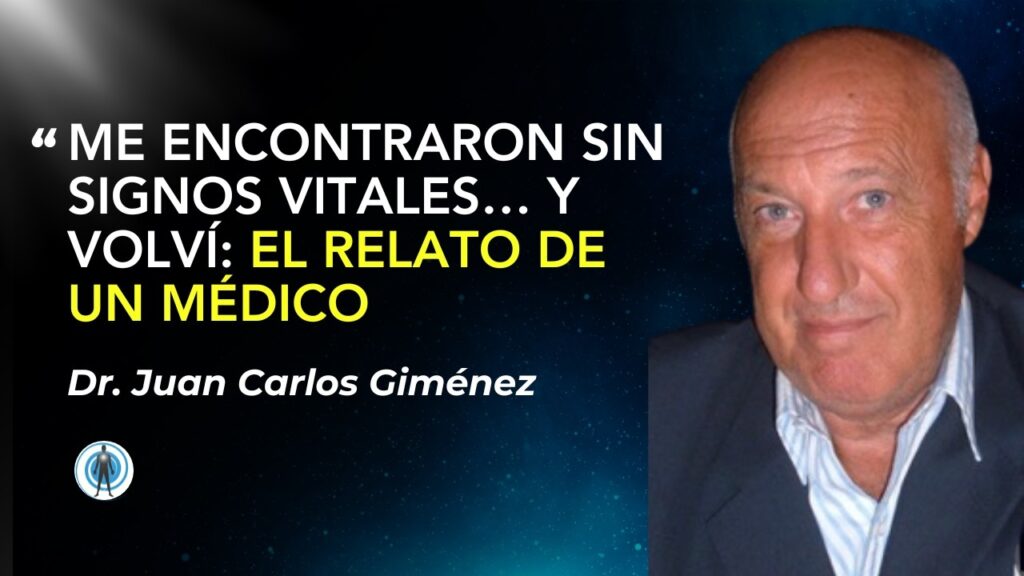
Dr. Juan Carlos Gimenez is, in every sense of the word, a man of science. After experiencing cardiac arrest, he lived through death firsthand—an event that led him to understand both life and death from an entirely new perspective.
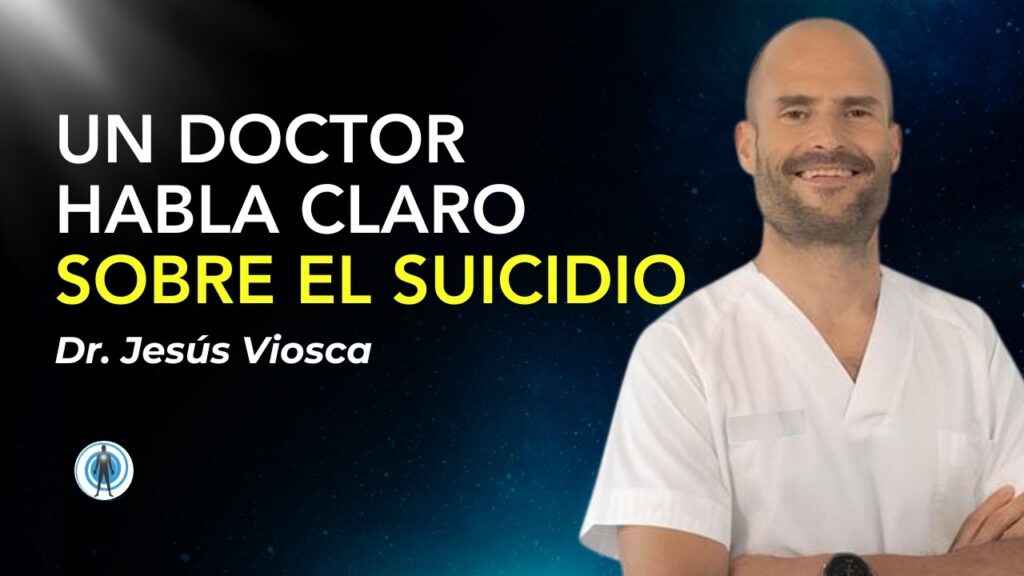
The rise in suicide rates is an issue that cannot be ignored. As painful as it may be, we must strive to understand it and broaden our perspective toward new approaches beyond pharmacology and a purely materialist view of the human being, in order to identify more effective tools for prevention.
This study by Michael Pascal provides a deeper understanding of Near-Death Experiences (NDEs) by comparing them with psychedelic-induced experiences. While both share certain phenomenological features, the research identifies key differences that help distinguish NDEs from experiences associated with substances such as DMT.
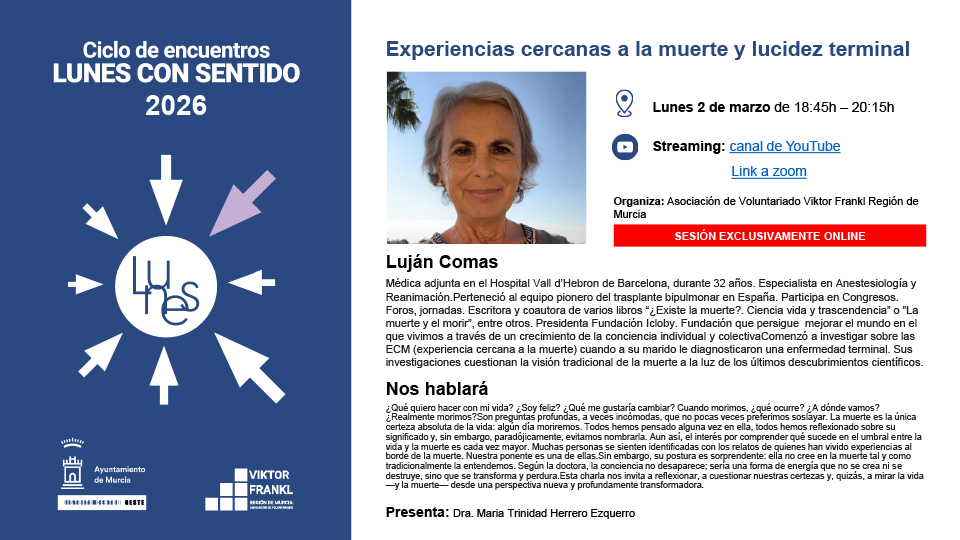
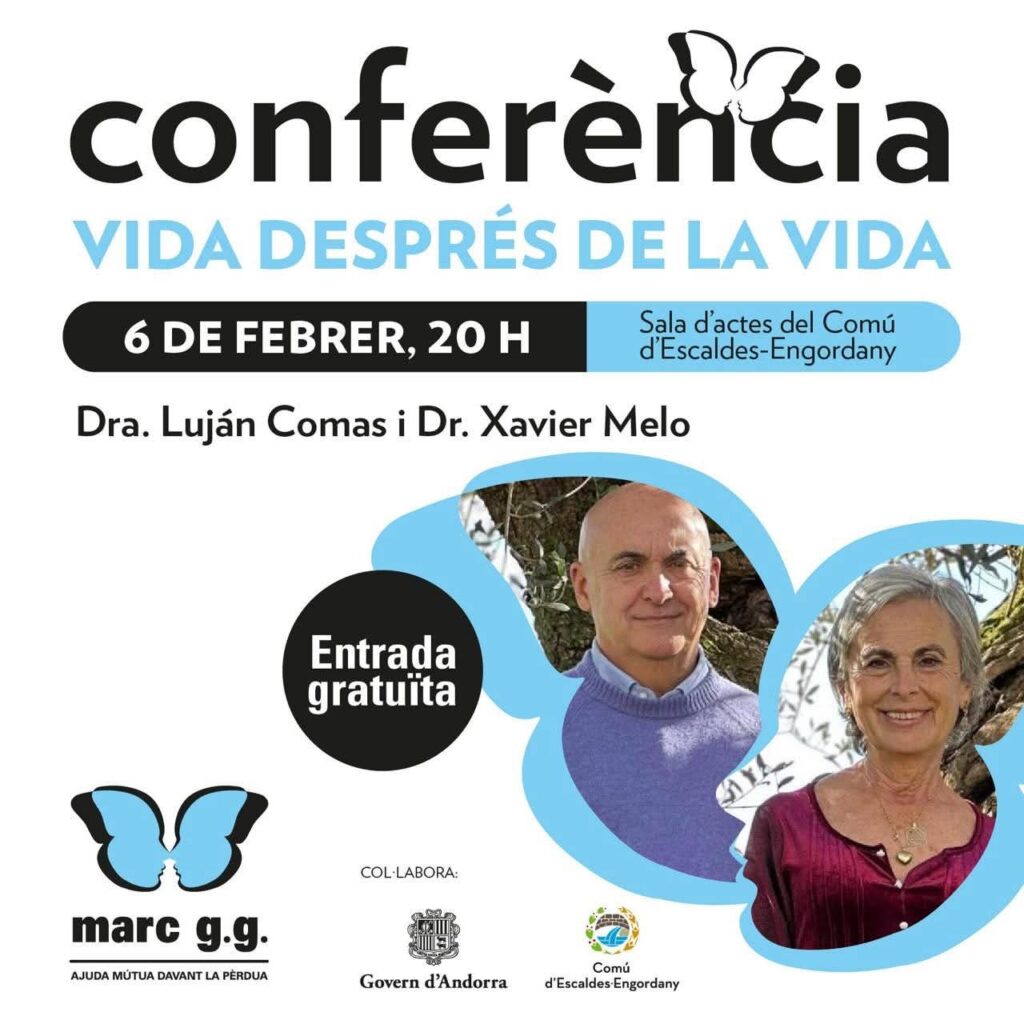
On February 6, with a full audience at the Comú d’Escaldes-Engordany Assembly Hall, Andorra welcomed Dr. Luján Comas and Dr. Xavier Melo to speak about Near-Death Experiences (NDEs). The event, organized by the Associació Marc GG—a mutual support group for parents who have lost a child—reflected the growing interest in understanding life, death, and the continuity of consciousness.
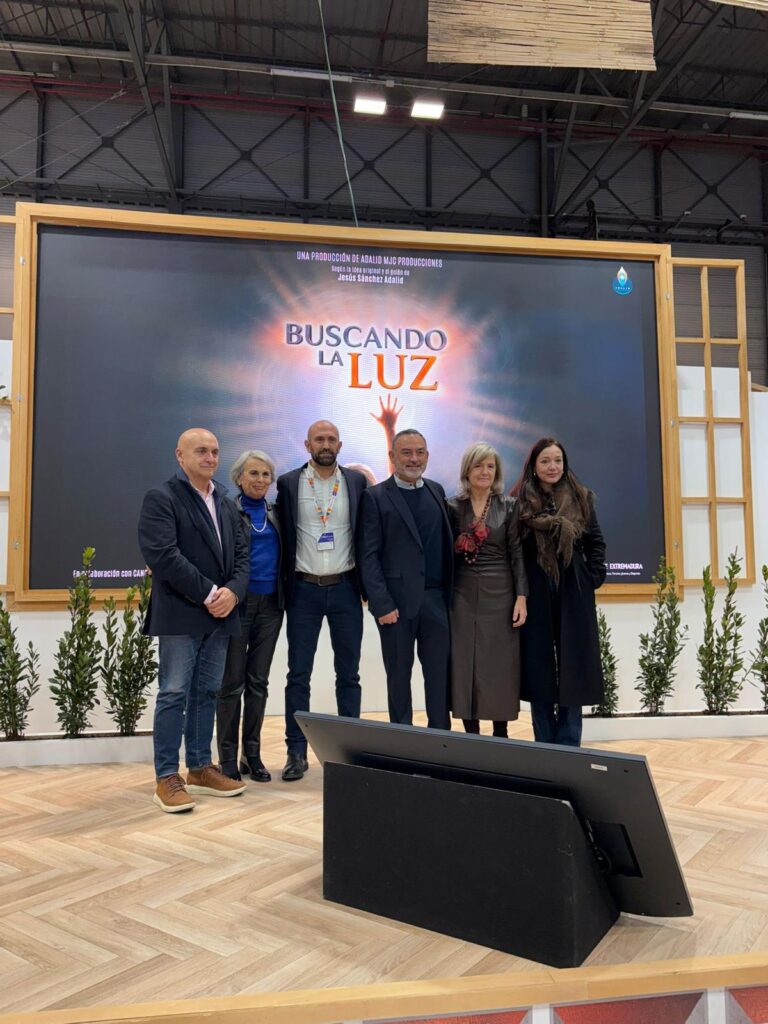
Science and philosophy came together at FITUR to explore the mystery of death and the continuity of consciousness through the launch of the documentary Searching for the Light. The production presents years of research led by the ICLOBY Foundation and invites reflection not on death itself, but on how we can live when we are free from the fear of dying.
After enduring pain, loneliness, and a deep sense of abandonment, she accepted that her body could no longer continue. She let go, said goodbye, and surrendered to death while in a coma. What she experienced afterward transformed her life and gave her a clear purpose: to share her story and help others understand the value of living fully.
A life-changing accident, a permanent disability, a profound near-death experience, and a future suddenly interrupted define the story of Xavier Ruy de Juan. After facing these challenges, his conclusion is clear: life extends beyond death, and the awareness of life’s fragility becomes an invitation to live with purpose and gratitude.