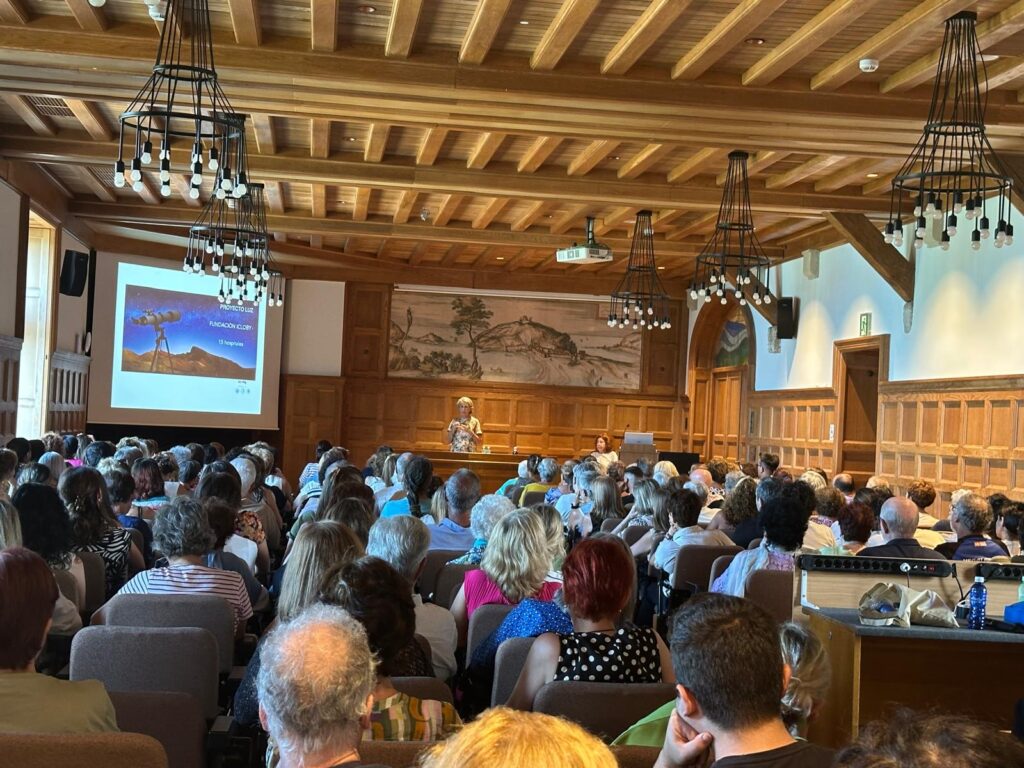

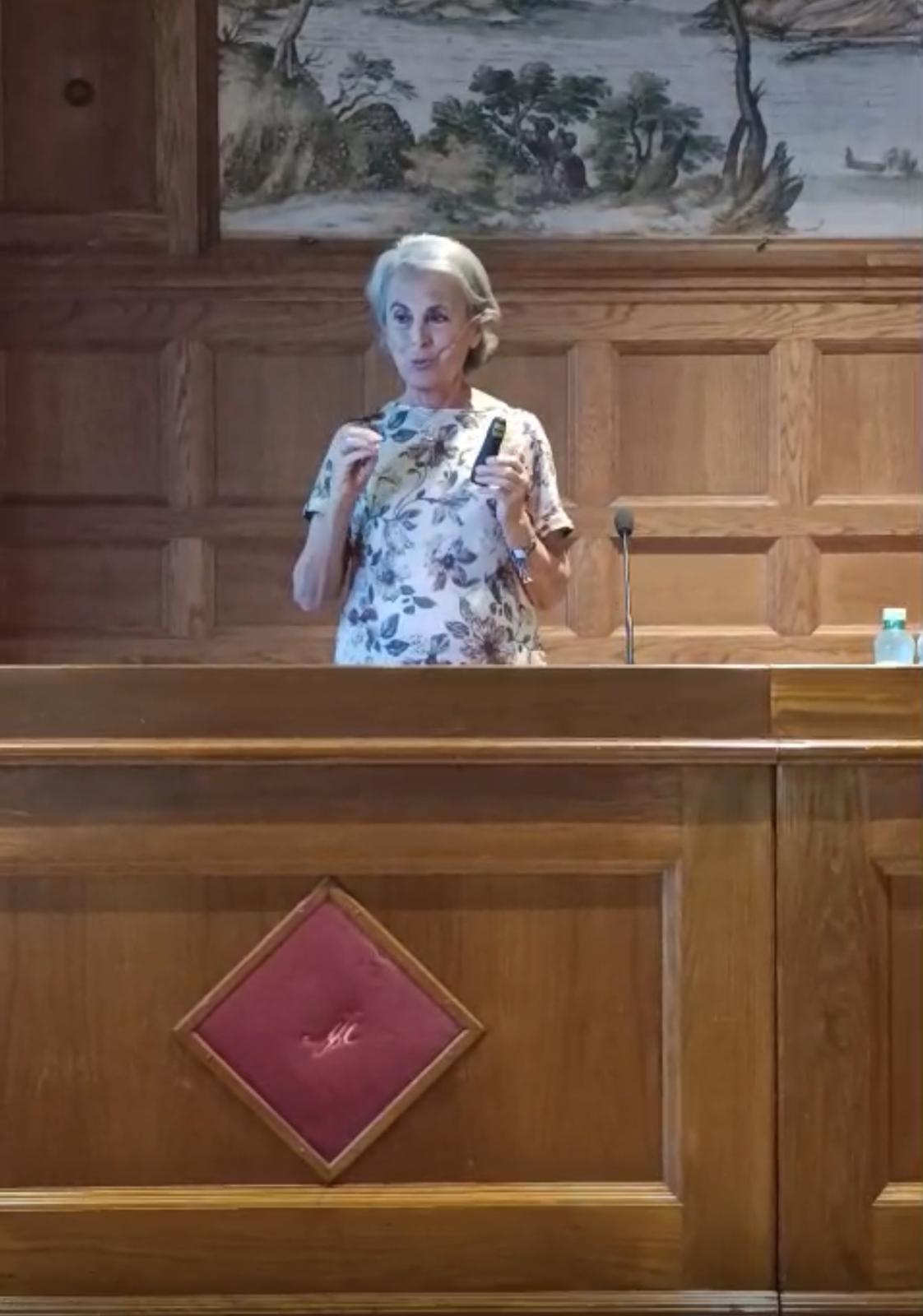
On August 3, a remarkable conference took place at an exceptional and iconic venue—the Miramar Palace in San Sebastián, Spain.
Dr. Luján Comas, president of the ICLOBY Foundation, was invited to give a lecture on The Memories of the Heart. Growing curiosity about the true role the heart plays in the unfolding of life, along with reports of personality changes in people who have received heart transplants from anonymous donors, inspired this talk. The event drew an impressive response from the public, with more than 150 attendees gathered exclusively for the conference.
The lecture focused on research findings from heart transplant recipients. These studies reveal that a percentage of patients, after surgery, begin to experience lifestyle changes that align with the preferences or habits of the donor. Such findings have driven further research into the heart and have significantly expanded both the quantity and accuracy of knowledge about it.
Among the data Dr. Comas shared were the following: the heart contains 40,000 neurons, produces hormones, and is fully connected to the brain. She also explained how the heart organizes all bodily rhythms, generates an electromagnetic field and torus, and how this field is 5,000 times more powerful than that of the brain.
It is now clear that viewing the heart solely as a blood pump is no longer valid within the scientific community. The research conducted so far is likely only scratching the surface of this extraordinary human organ.
We also share a photo from the event, where attendees gave Dr. Comas a heartfelt standing ovation to close her lecture.