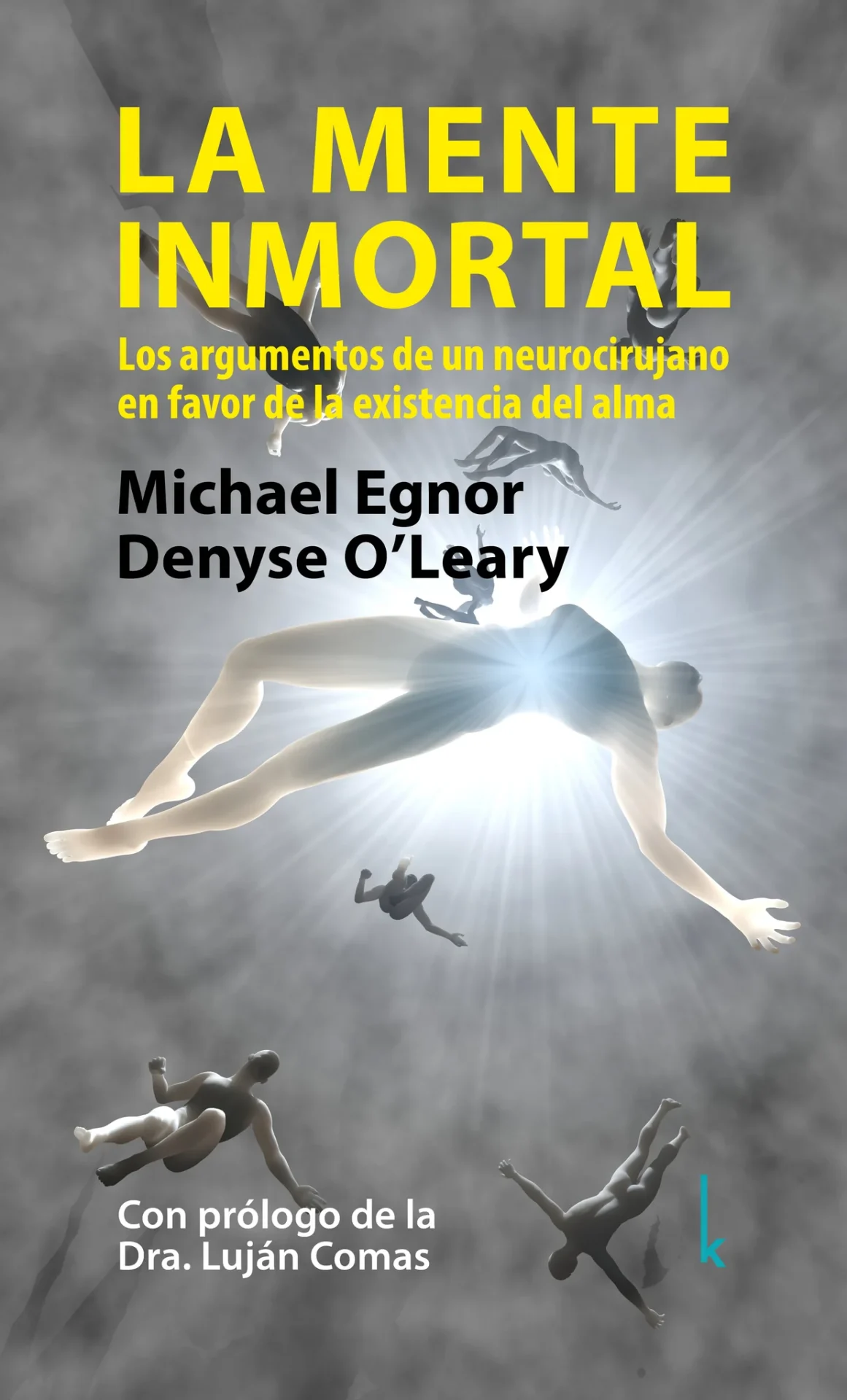


In the introduction, the author presents compelling insights into how the scientific community often conflates religion with belief in an afterlife. He argues that one can acknowledge life after death not as a matter of faith but as a recognition of observed phenomena.
Taylor first provides a well-supported review of how the brain-mind relationship is more complex than neuroscience typically portrays. While there are occasional correlations between conscious activity and corresponding EEG readings, consciousness can still be present without EEG detection, and EEG activity can occur without conscious awareness.
Additionally, the author presents well-documented cases of individuals who retain normal cognitive function despite having minimal brain mass.
Secondly, the discussion delves into Near-Death Experiences (NDEs). Beyond simply explaining what they are, the author introduces a remarkable verification case not previously mentioned in the extensive inventories by researchers such as Holden or Rivas. This case involves John, a colleague of Taylor, who, after undergoing a transplant surgery, was able to recall hearing classical music playing in the operating room—despite being under general anesthesia.
Next, the article explores deathbed visions. Unlike hallucinations caused by dementia or medication, these experiences exhibit unique characteristics, such as apparent communication with deceased relatives or occurring shortly before the individual’s passing. Some cases even involve the dying person acquiring knowledge—such as the recent death of a loved one—without prior notification.
Thirdly, Taylor addresses extrasensory perception (ESP) in living individuals, such as telepathy, as an alternative explanation to consciousness surviving death. However, he dismisses this possibility, arguing that deathbed experiences go beyond what has been demonstrated in laboratory ESP experiments and that those who report these visions have not exhibited such abilities previously.
The article then discusses post-mortem communication, including crisis apparitions (where deceased individuals appear during emergencies) and cases where apparitions provide previously unknown but verifiable information
In the fourth section, Taylor examines mediumship. He references a well-documented case in which a medium supposedly contacted a deceased chess master, who then played a game against a living player, demonstrating knowledge characteristic of the late master. Studies on the extraordinary abilities of mediums further support the possibility of communication with the afterlife.
The article also highlights controlled Quintuple-Blind Studies, designed to eliminate biases, which have shown reproducible evidence of mediumship under laboratory conditions.
The fifth chapter explores reincarnation, another key topic in afterlife research. The work of Ian Stevenson and his protégé Jim Tucker is cited, documenting cases of children recalling past lives with details that were later verified. Several well-known Western cases are also included.
Finally, the article discusses spiritual experiences as potential evidence for life beyond death. These experiences often lead individuals to accept mortality without fear, live less materialistically, and adopt a more altruistic outlook.