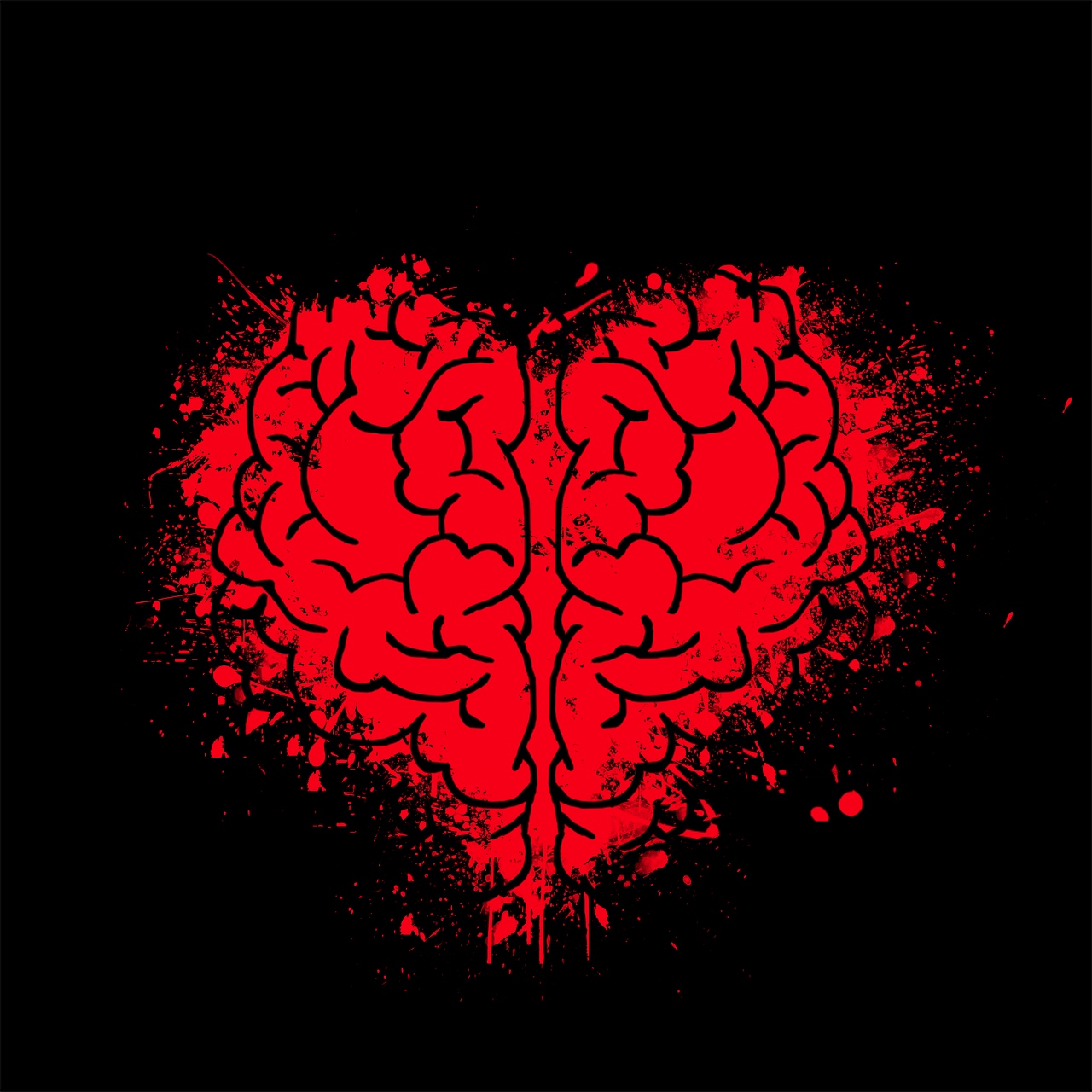

According to our current medical concepts, it is not possible to be conscious during cardiac arrest, when circulation and breathing have stopped. However, during the period of loss of consciousness due to a potentially fatal crisis, such as cardiac arrest, patients may report a paradoxical incident of heightened consciousness occurring in a dimension without conventional concepts of time and space, with cognitive functions, with emotions, with self-identity, with childhood memories, and sometimes perception outside and onto their lifeless body.
In four possible studies with a total of 562 cardiac arrest survivors, between 11% and 18% of patients reported near-death experiences (NDE). In these studies, it was not possible to demonstrate which physiological, psychological, pharmacological or demographic factors could explain the cause and content of these experiences. How can clear, out-of-body consciousness be felt with no brain function during clinical death, with a flat line on the electroencephalogram (EEG)? Today there are good reasons to assume that our consciousness does not always coincide with the function of our brain; Sometimes we can have increased consciousness separate from the body.
I have reached the inevitable conclusion that surely the brain has a facilitating and not a productive function to experience consciousness. In making a scientific case for consciousness as non-local and therefore a ubiquitous phenomenon, we have to question the purely materialist paradigm of science. Furthermore, recent NDE studies appear to be a source of new insights into the possibility of the continuity of our consciousness after physical death.
Dr. Pim van Lommel graduated in medicine from Utrecht University in 1971. He specializes in cardiology and worked as a cardiologist at Rijnstate Hospital, a University Hospital in Arnhem, the Netherlands from 1977 to 2003. He is now researching near-death experiences (NDEs) full-time.
In 1986, Dr. Lommel began his research on near-death experiences, publishing in 2001 in the prestigious medical journal The Lancet, together with his colleagues, the work “Near-death experience in survivors of cardiac arrest: a prospective study in the Netherlands.” In his later works, he continues to write about his concept of the continuity of our “non-local” consciousness and the mind-brain relationship. In 2007 he achieved public recognition with his Dutch best-selling work, “Eindeloos Bewustzijn: een wetenschappelijke visie op de Bijna-Dood Ervaring”, translated into several languages including English, French, German, Polish and Spanish. In 2010 it was translated into English as, “Consciousness Beyond Life, The Science of the Near-Death Experience.”
In 2005 he was awarded the “Bruce Greyson Research Award” by the IANDS Association (International Association for Near-Death Studies) in the USA, and in 2006 the President of India awarded him the “Life Time Achievement Award” at the World Congress of Preventive Clinical Cardiology, in New Delhi. He recently received the “2010 Book Award” from the Scientific and Medical Network of England.